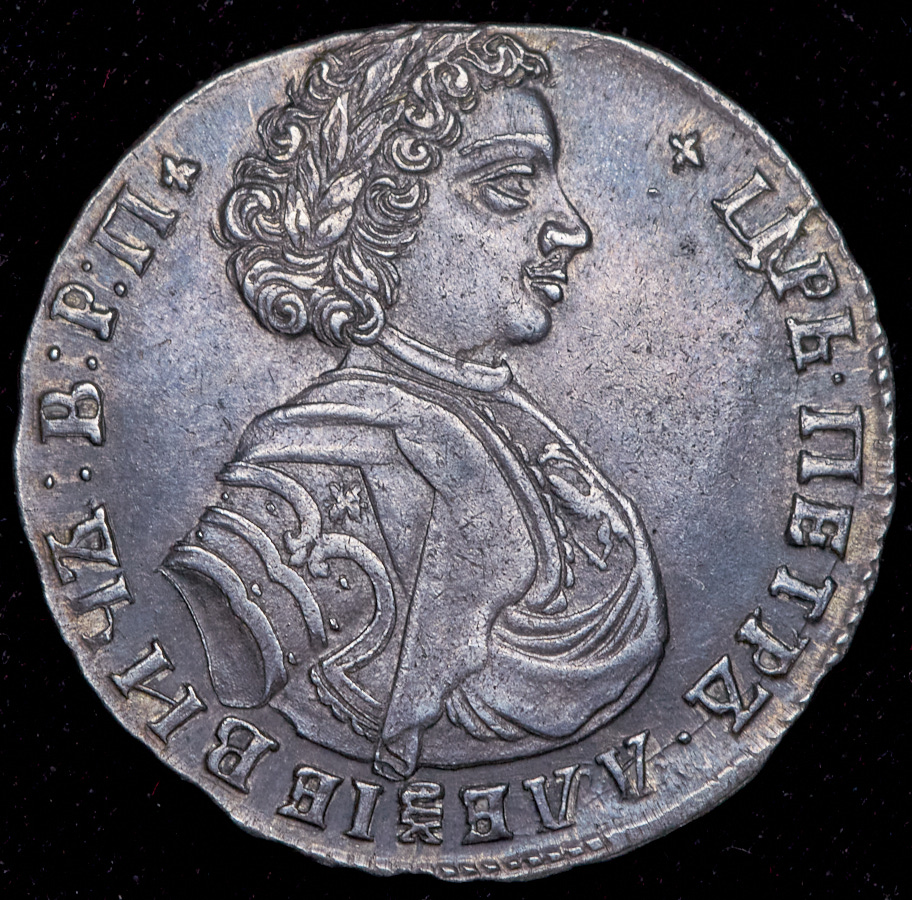
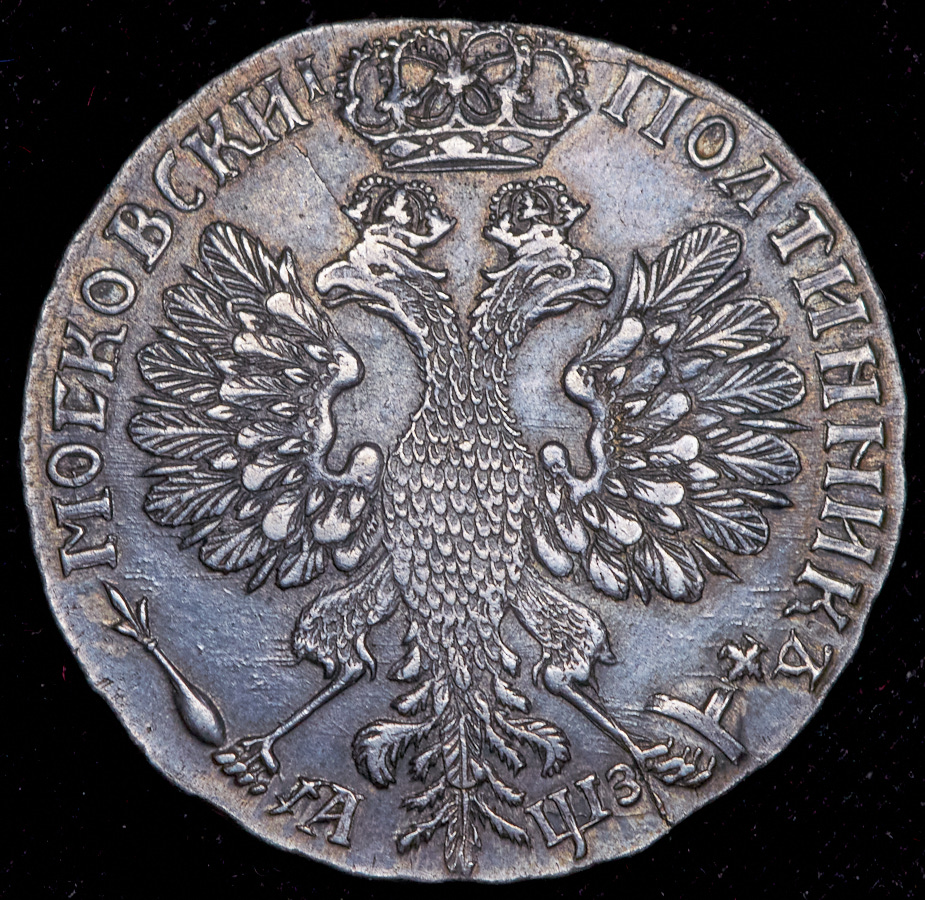
Long before the familiar "3 kopecks" and "10 kopecks", people in Russia counted in dengas, altyns and grivnas. The words outlived the old reckoning: coins inscribed "denga", "polushka", "altyn" and "grivennik" were still struck in the 18th century, and many of the names are alive in speech today.
Denga and polushka
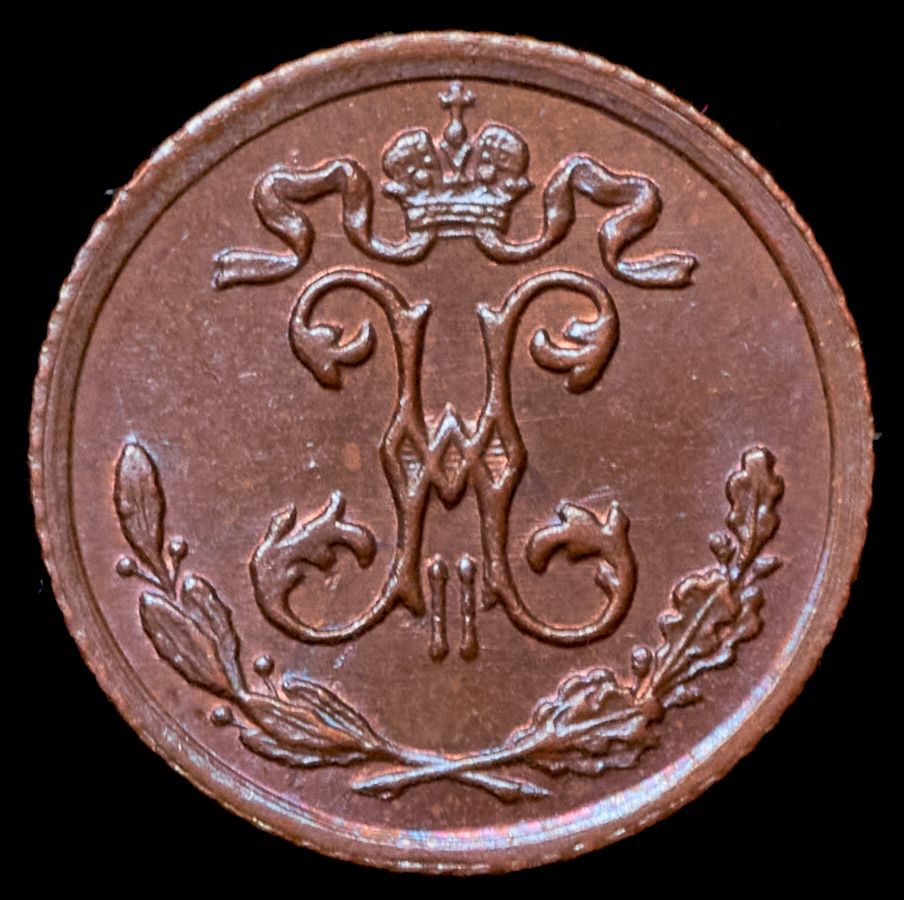
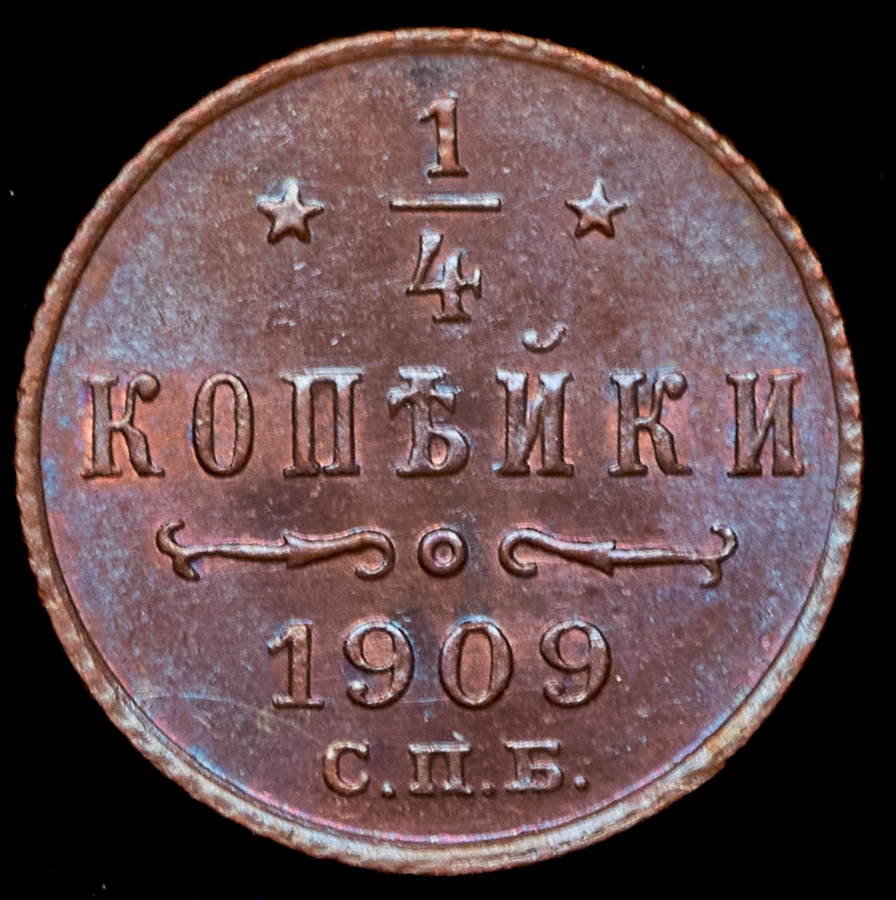
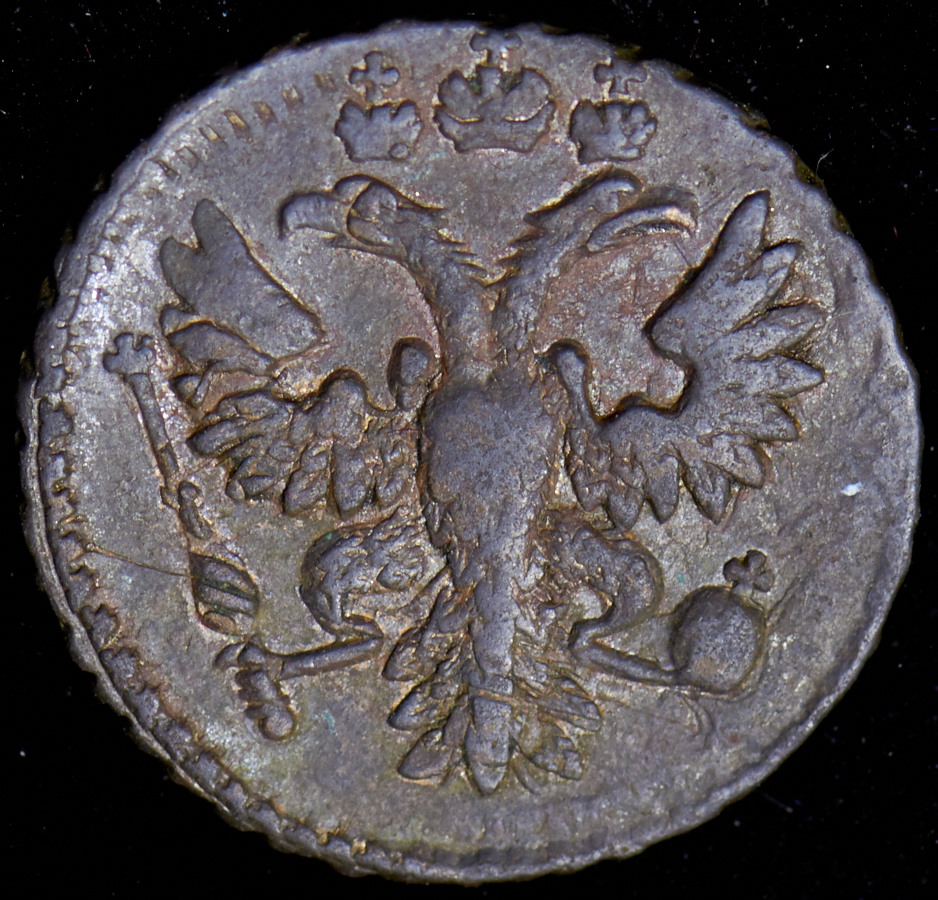
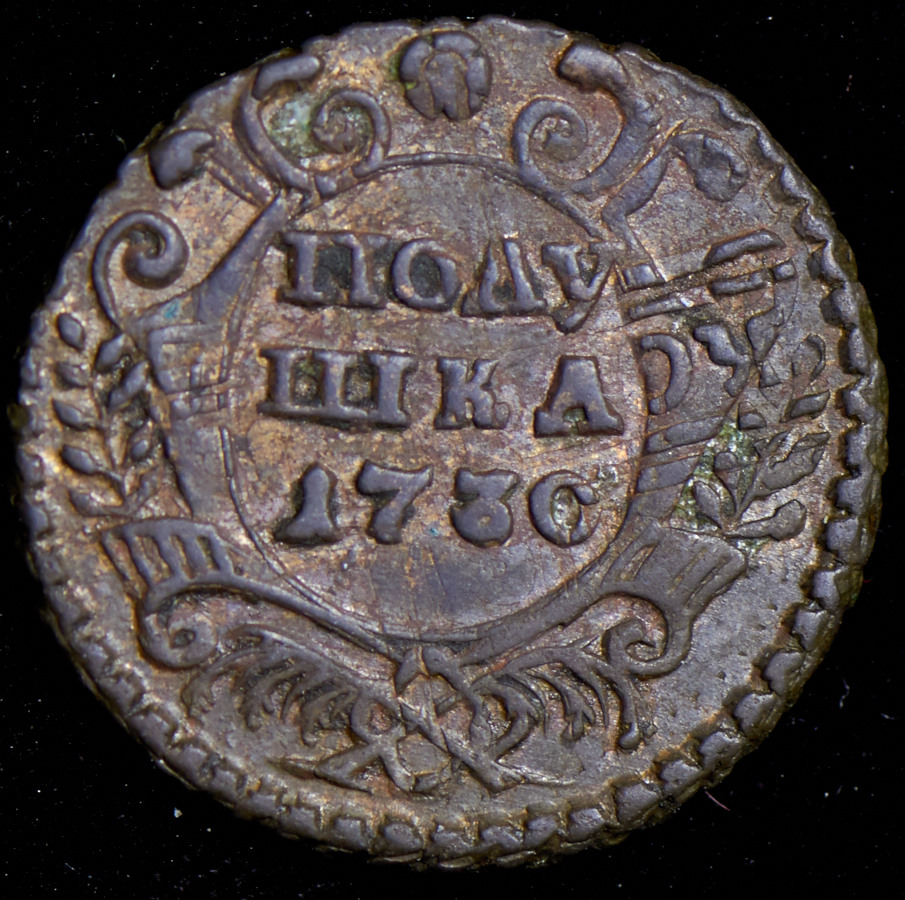
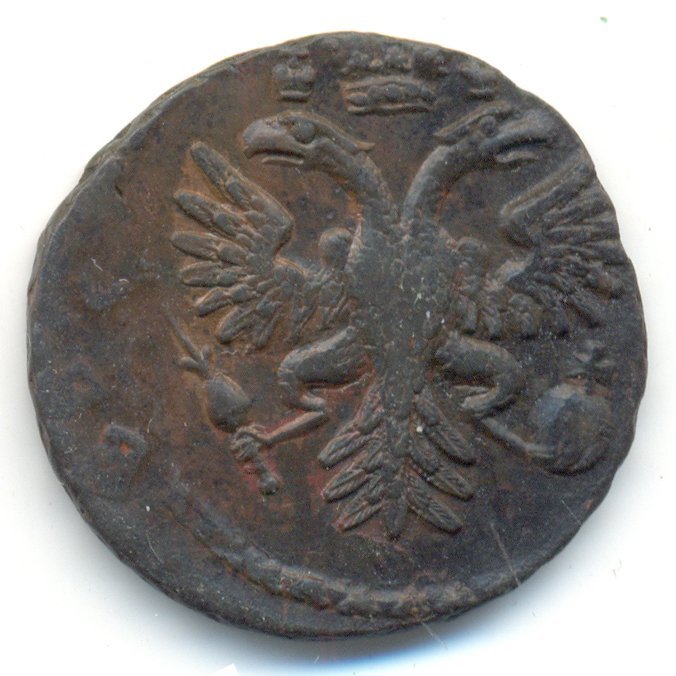
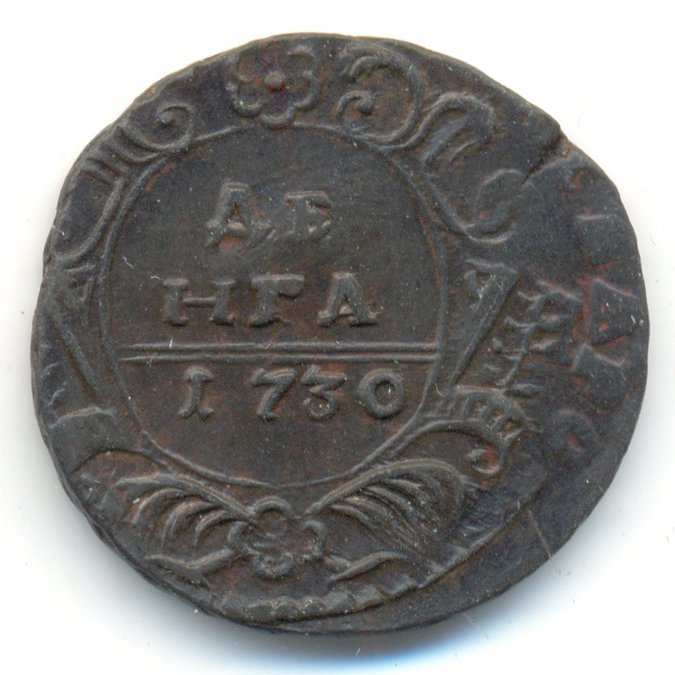
A denga was half a kopeck, a polushka half a denga — a quarter of a kopeck. Copper coins said exactly that, for example the denga and the polushka of 1730–1740. Later the legends changed to "½ kopeck" and "¼ kopeck", and in the mid-19th century the half-kopeck was for a while called a "denezhka". The quarter-kopeck coin was struck until 1916 — the ¼ kopeck of 1894–1916. The polushka left behind the phrase "ni polushki" — "not a penny to one's name".


Photo: Аукционный дом «Александр» · adalex.ru
Altyn — three kopecks
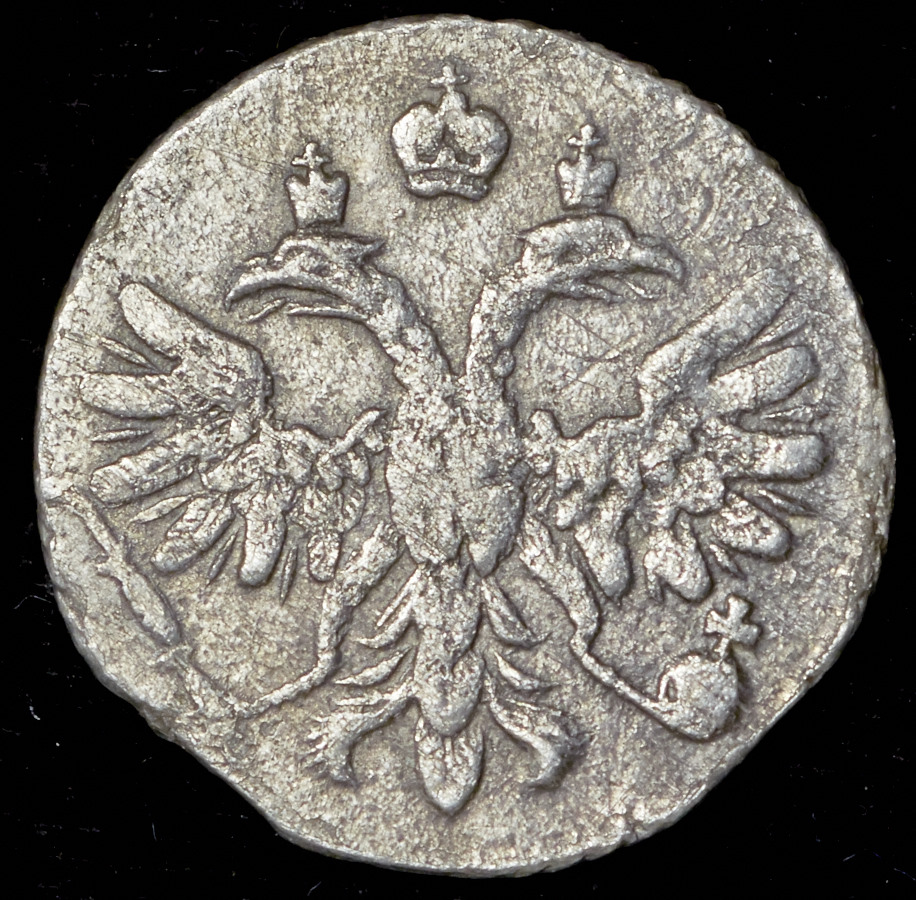
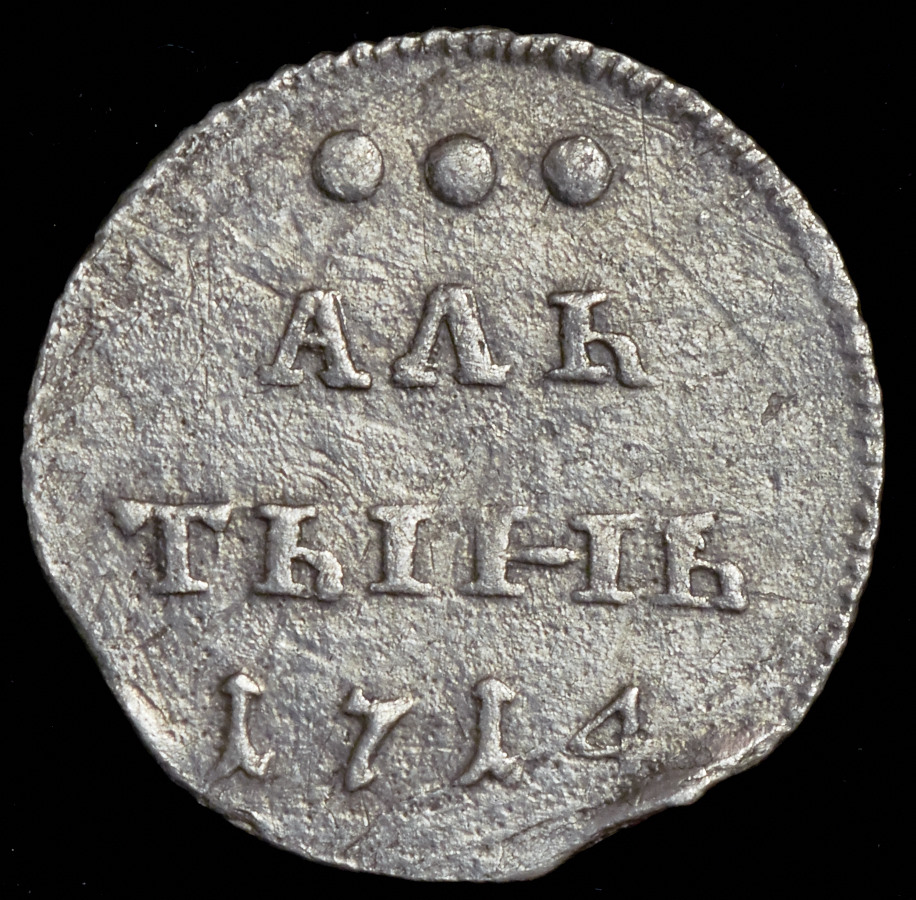
An altyn equalled six dengas, that is three kopecks. The origin of the word is disputed: it is most often traced to the Tatar "alty", "six", but another version links it to the Turkic word for gold. Under Peter I a silver coin inscribed "altyn" was struck — for example the altyn of 1713–1714. Later coins simply said "3 kopecks", but the word survived in the proverb "not a grosh, and suddenly an altyn" and in the name for fifteen kopecks — pyatialtynny, "five altyns".


Grivennik — ten kopecks
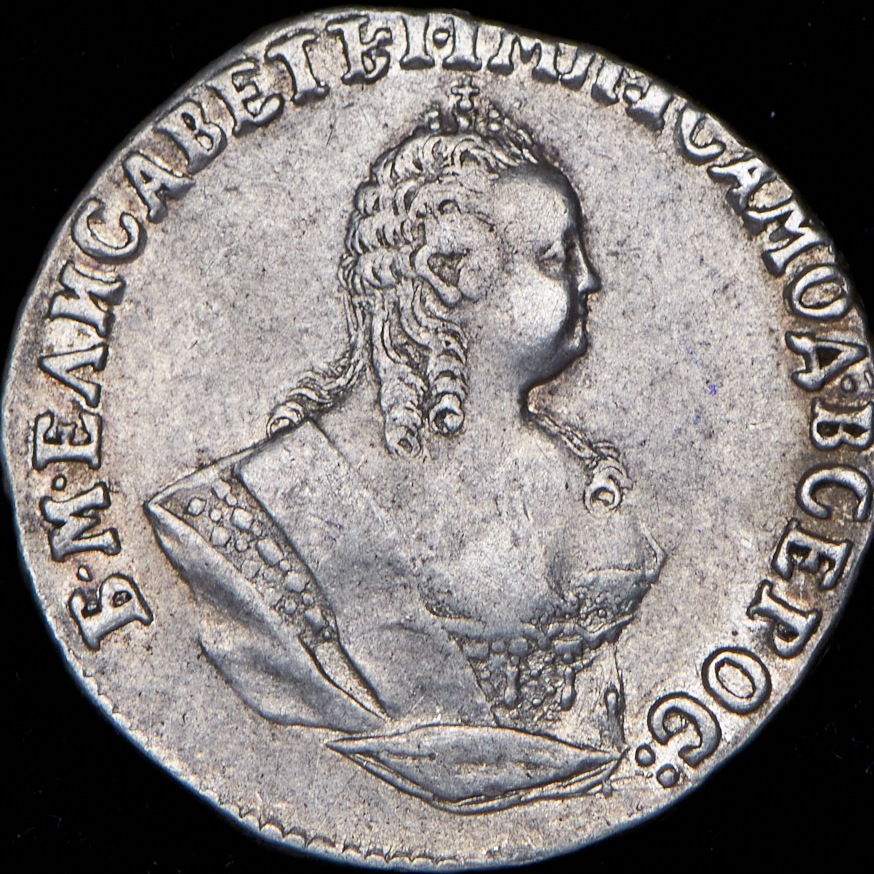
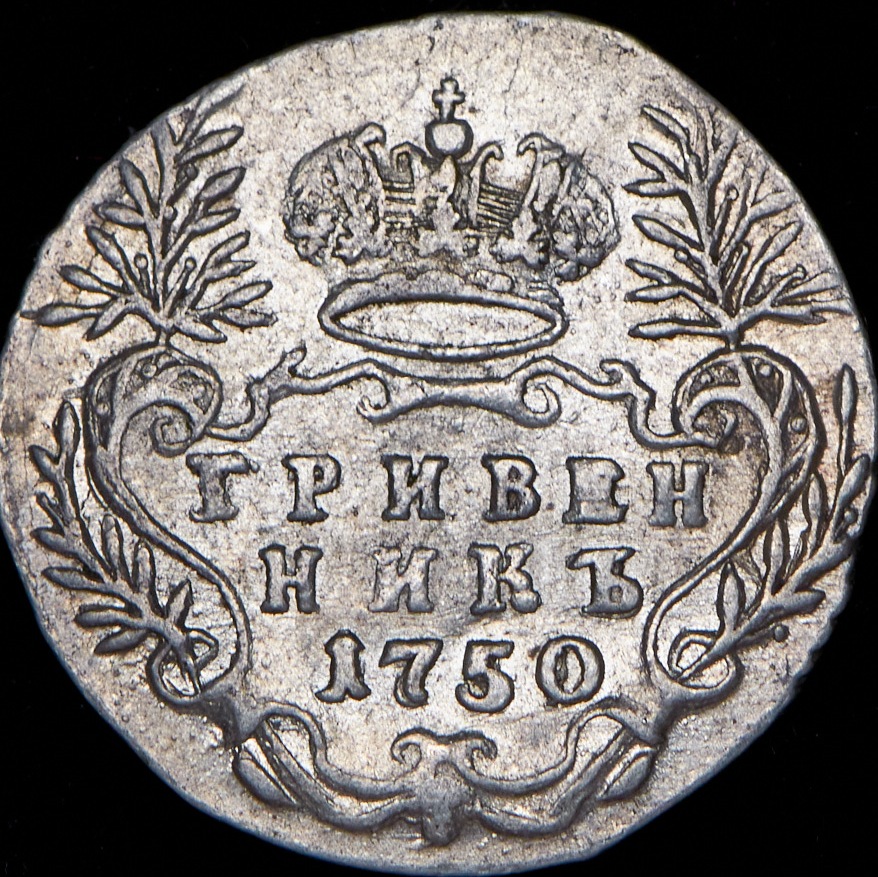
The name comes from the grivna, an old unit of account. Silver grivenniks were first struck in 1701, under Peter I — the grivennik of 1701–1702. The word appeared on coins throughout the 18th century, as on the grivennik of 1746–1757, and was then replaced by the familiar "10 kopecks". In speech the name stayed, and twenty kopecks became a dvugrivenny.
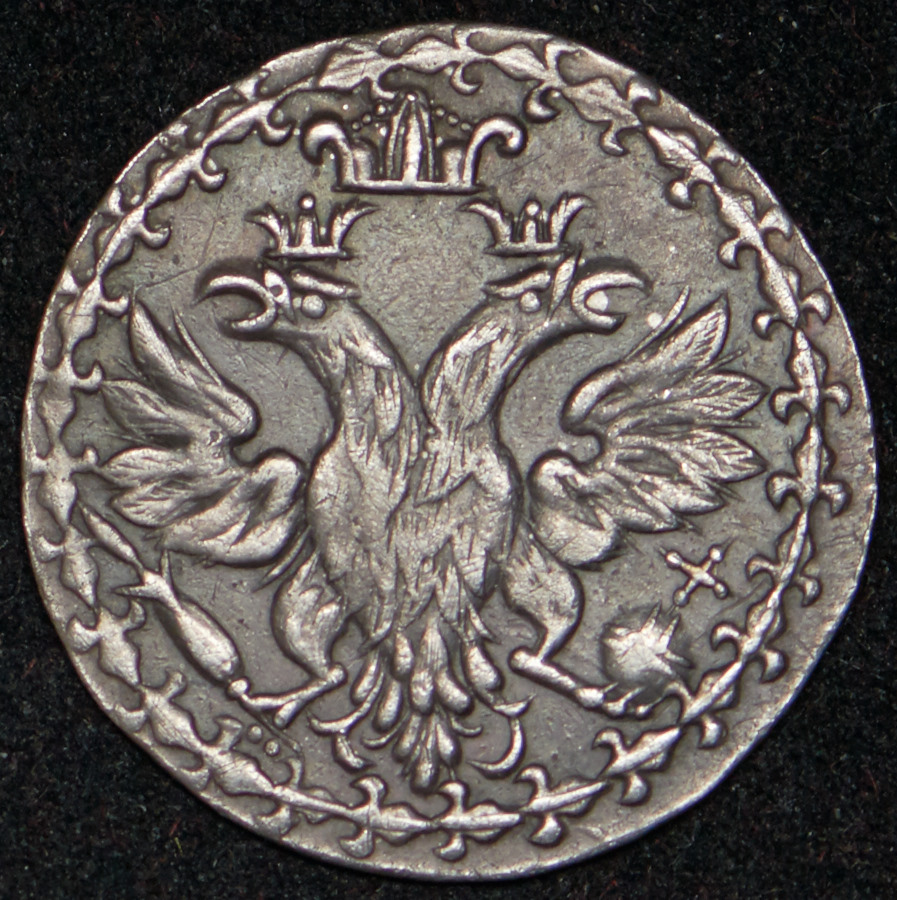
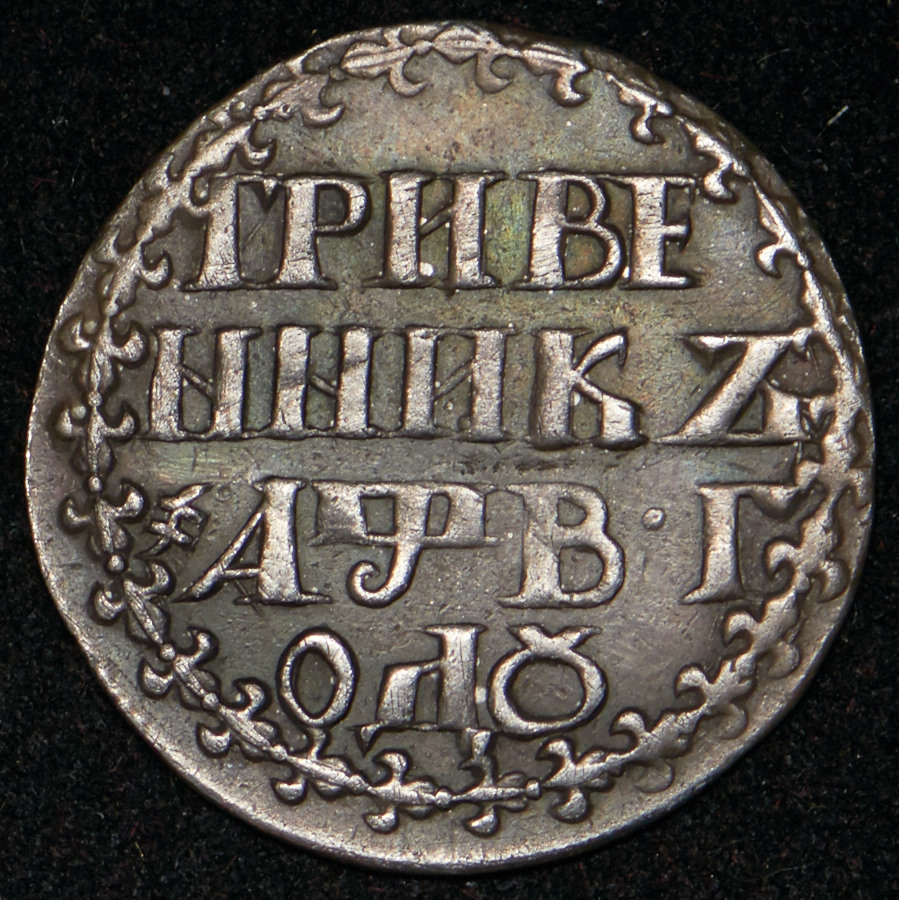
Photo: Аукционный дом «Александр» · adalex.ru
Poltina and polupoltinnik
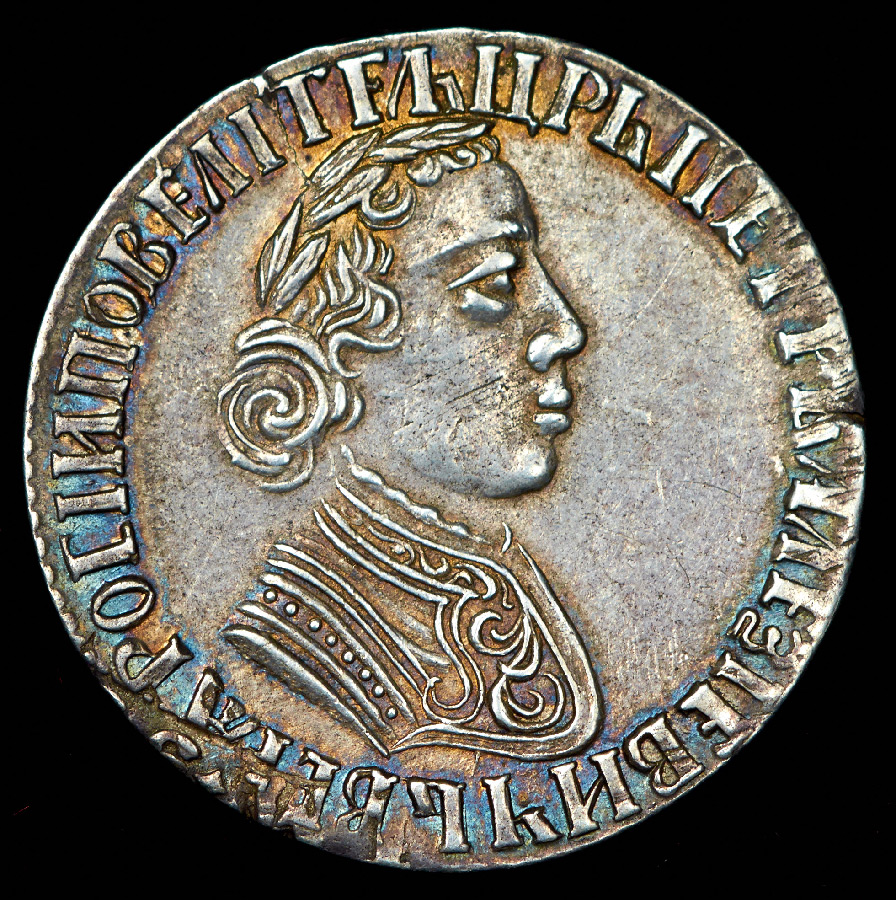
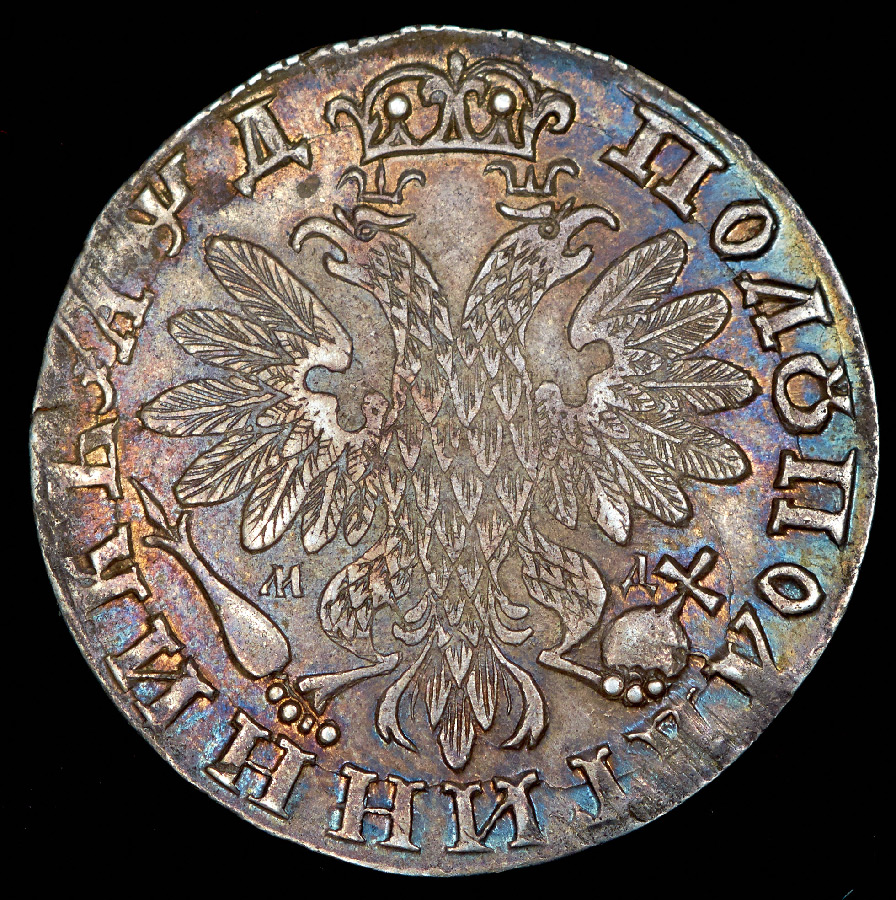
The rouble went the same way: half a rouble was a poltina, a quarter a polupoltinnik. Peter I's coins said so: the poltina of 1707–1710, the polupoltinnik of 1703–1705. The poltina gave rise to "poltinnik", which is still a common word for fifty kopecks.


Photo: Аукционный дом «Александр» · adalex.ru
Pyatak
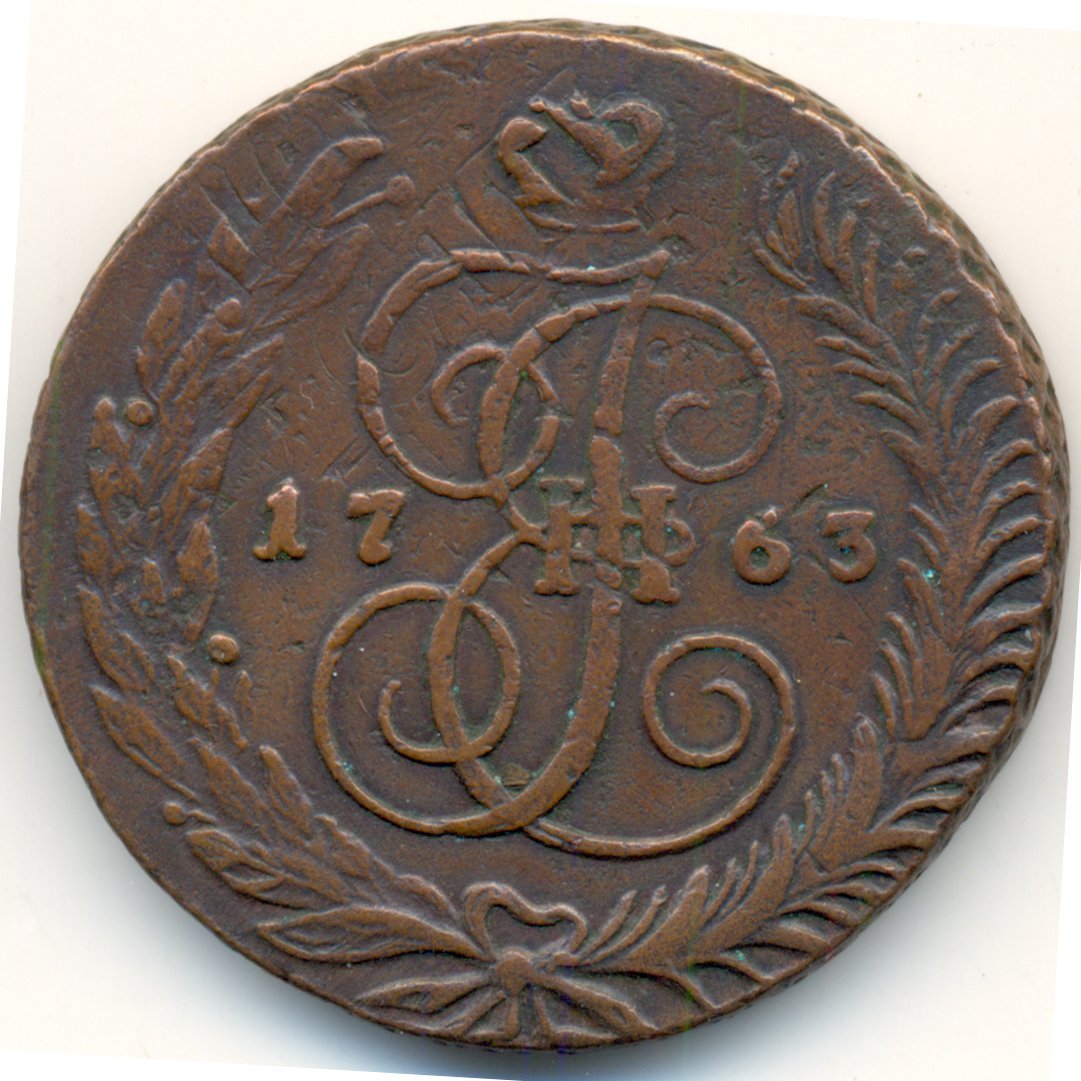
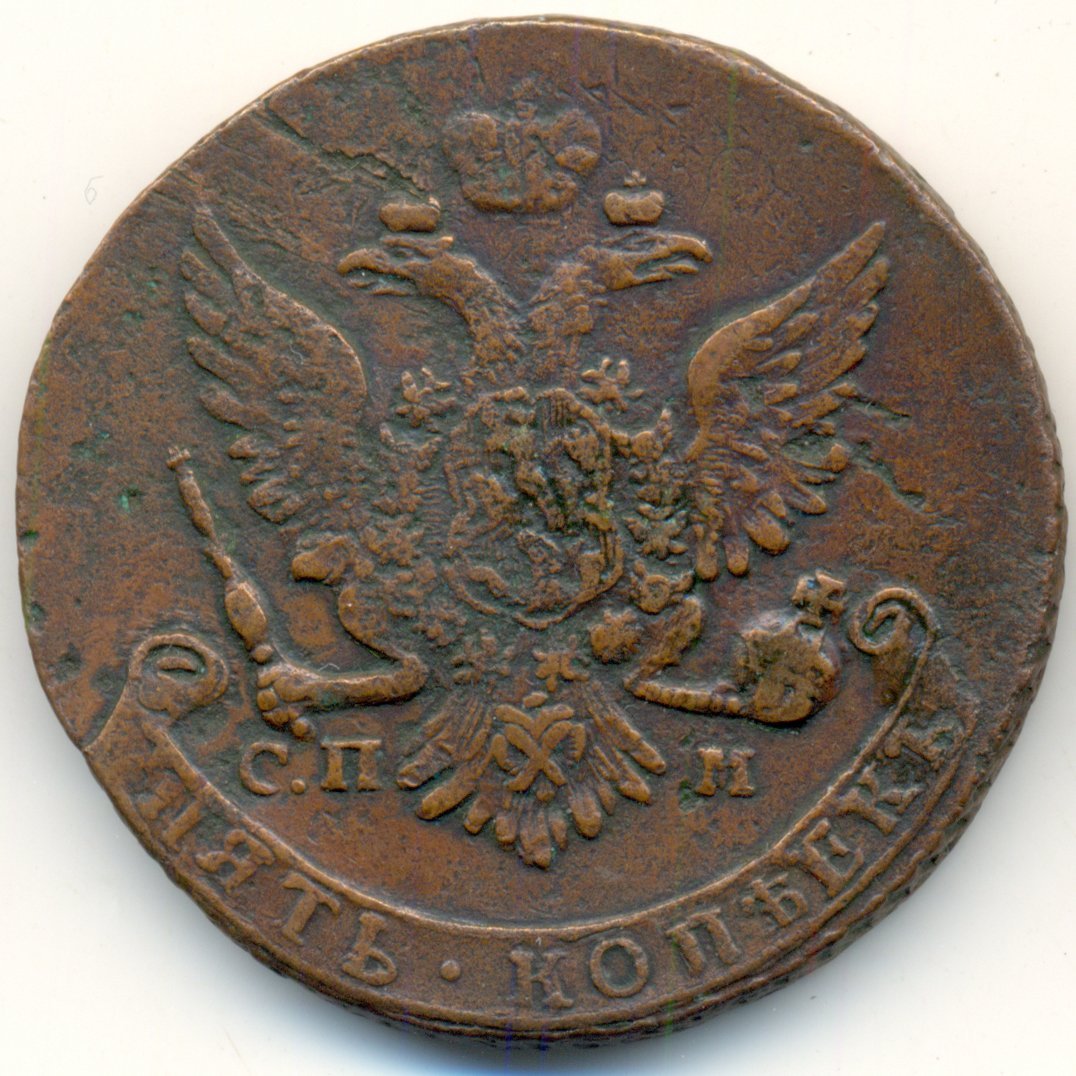
A pyatak was five kopecks, most often a copper coin. The 18th-century copper pyatak was large and heavy — like the 5 kopecks of 1763–1796. The word outlived both the empire and the USSR: people still call five roubles or five kopecks a pyatak.


Photo: АукционЪ.СПб · auction.spb.ru
For newer words — "kosar", "chirik", "pyatikhatka" — see the article on money slang.