Russian has many nicknames for money. Some appeared as early as the 19th century in the speech of travelling traders, others came from criminal slang, and still others from the portraits on banknotes. Linguists still argue about many of these words, so below we separate what dictionaries confirm from the popular stories.
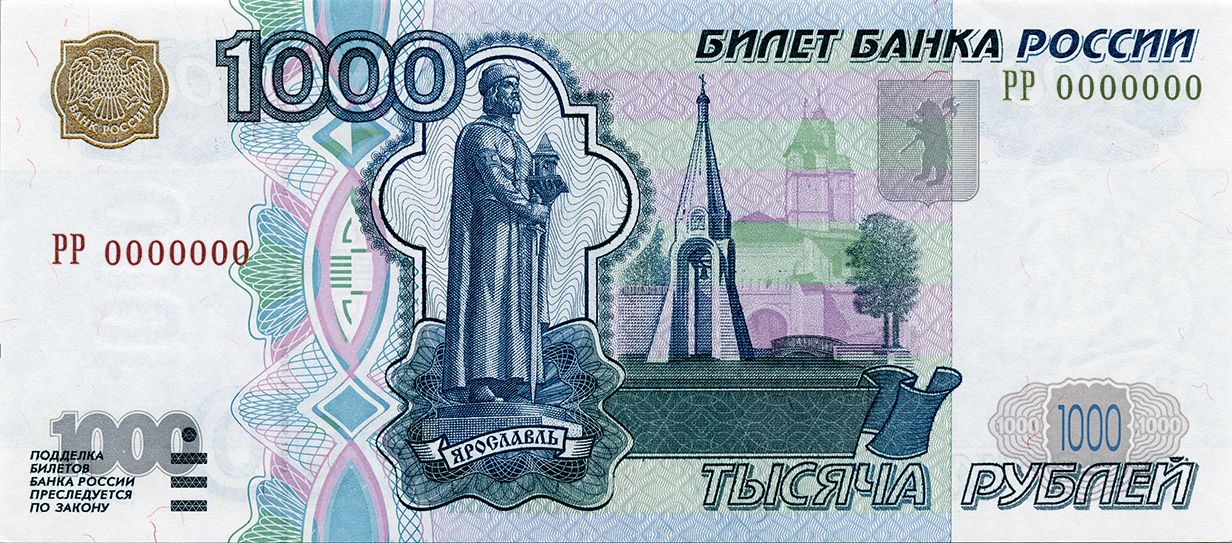
Kosar — a thousand
The oldest word on this list. The ofeni — pedlars who travelled the countryside selling small wares — were already calling a thousand “kosukha” in the early 19th century. Later “kosaya”, meaning “a thousand roubles”, took hold in traders’ speech and criminal slang, and by the end of the 20th century the suffix -ar turned it into “kosar”. Where “kosukha” itself came from is unknown.
A popular story links “kosar” to thousand-rouble notes of the 1920s on which the value was supposedly printed at a slant (“kosoy” means slanting). It sounds convincing but does not fit the dates: “kosukha” and “kosaya” were recorded almost a hundred years before that money. Today a kosar is above all the 1000-rouble note.
Chervonets — a tenner
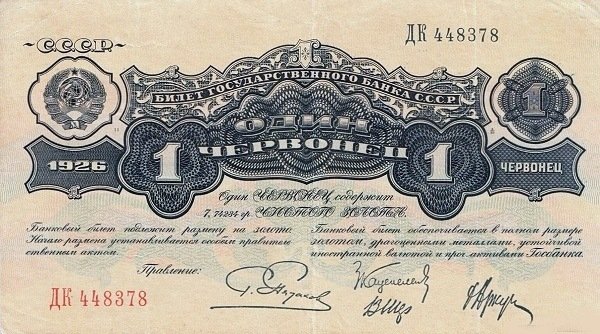
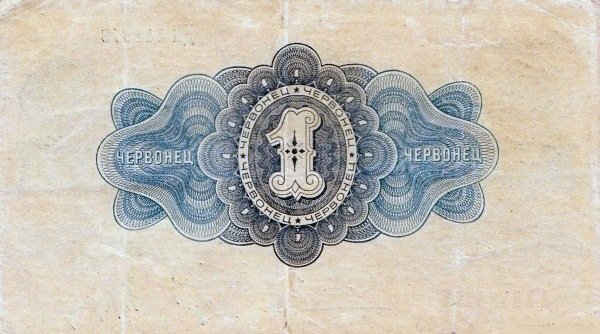
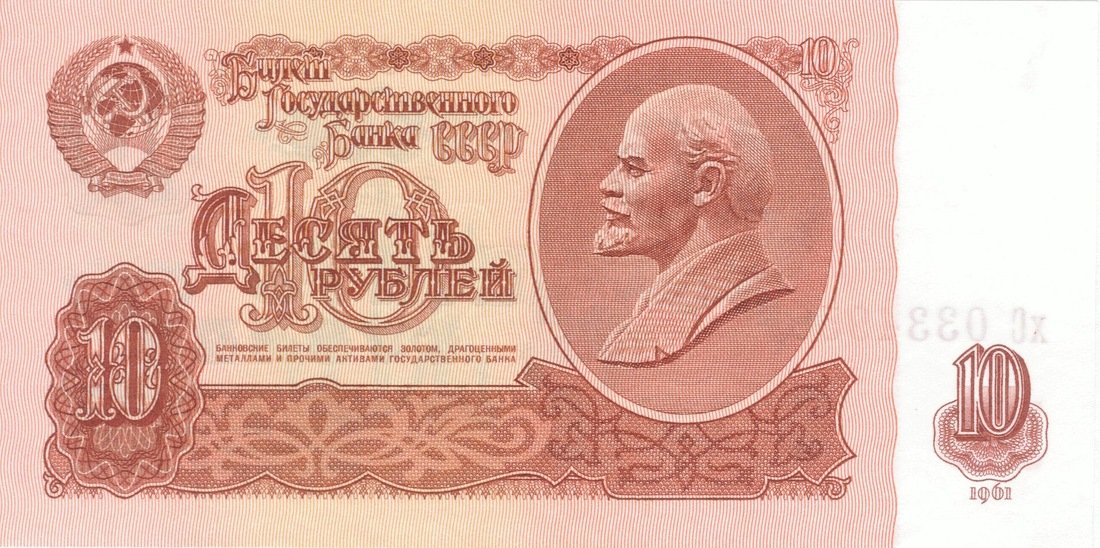
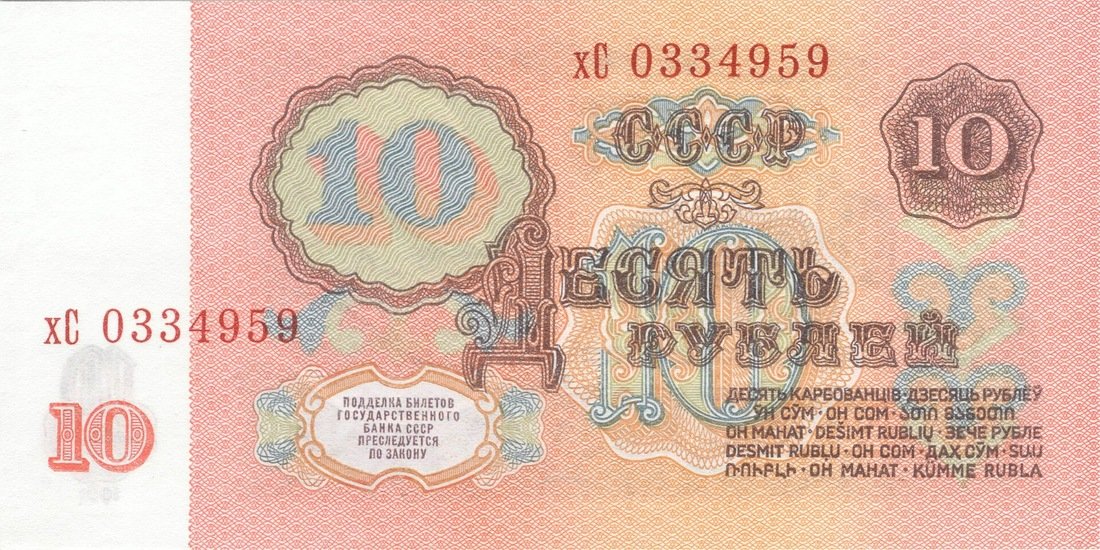
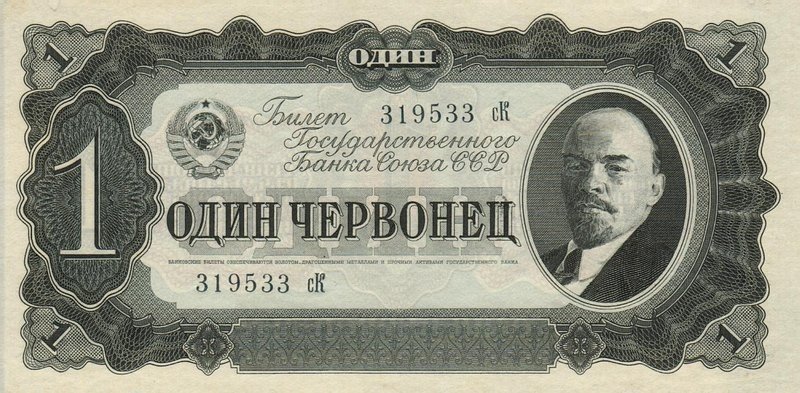
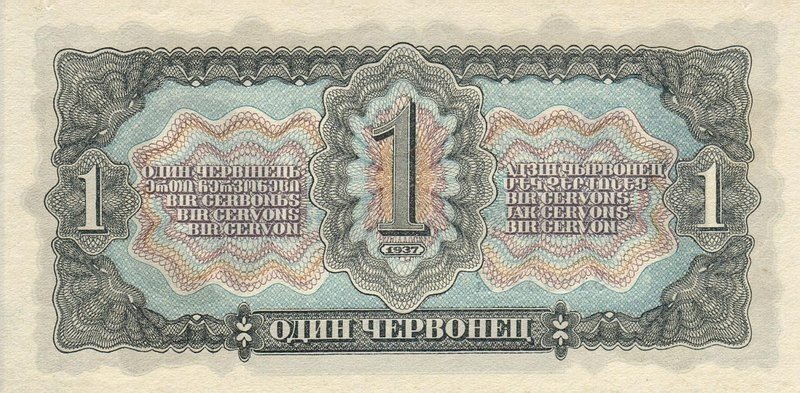
In the old days gold coins were called chervontsy, after “chervonnoye” — reddish, high-grade — gold. In 1922 the name went to new Soviet banknotes backed by gold: one chervonets equalled ten roubles. You can see them on the 1 chervonets of 1926 and the 1 chervonets of 1937. Ever since, any ten-rouble note can be called a chervonets — including the 10 roubles of 1961.
Chirik — another tenner
“Chirik” is trickier. Dictionaries give two versions. In one, the word first meant twenty-five roubles, a “quarter”, and goes back to words meaning “a quarter”. In the other, “chirik” stuck to the ten because it sounds like “chervonets”. Which version is right is not known for sure, but today a chirik means exactly ten roubles.
Katenka and Petenka
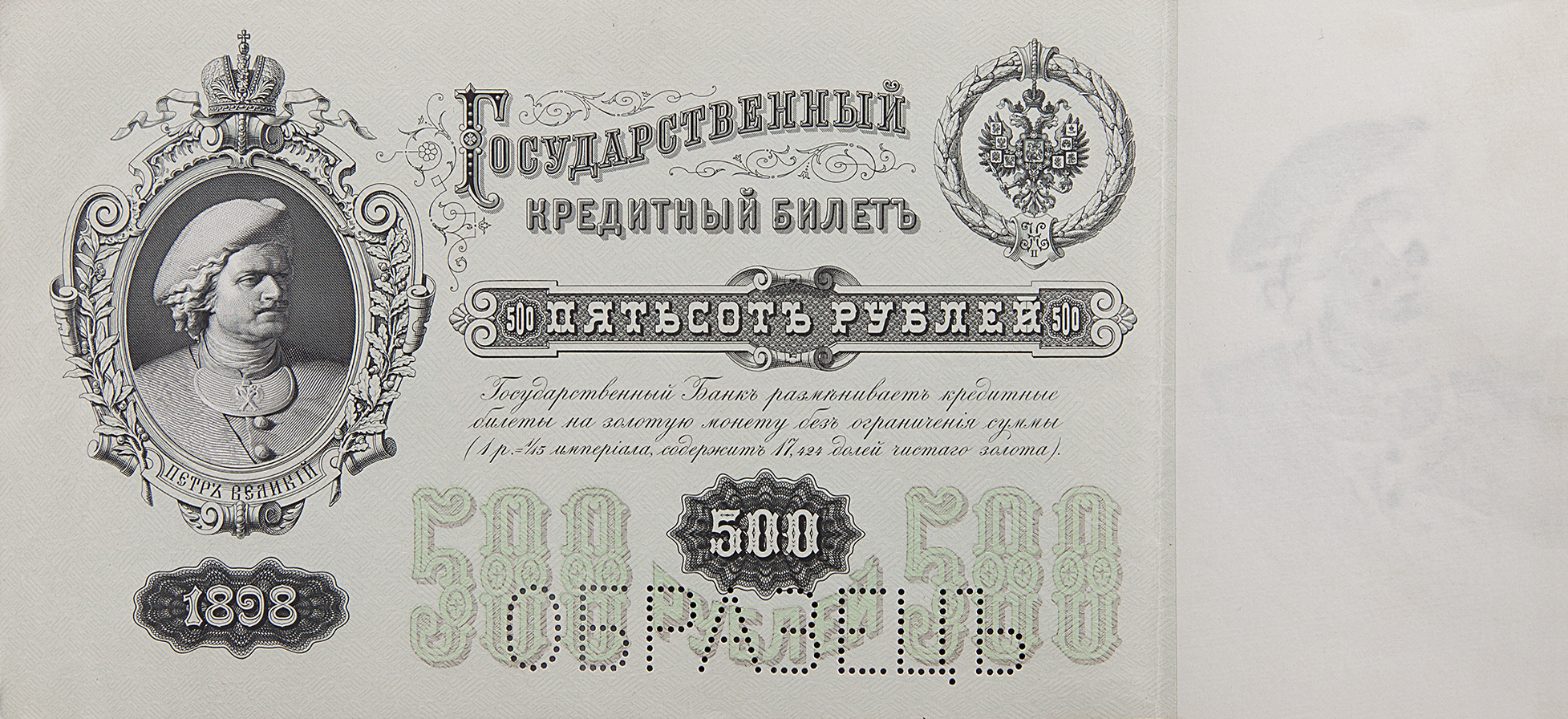
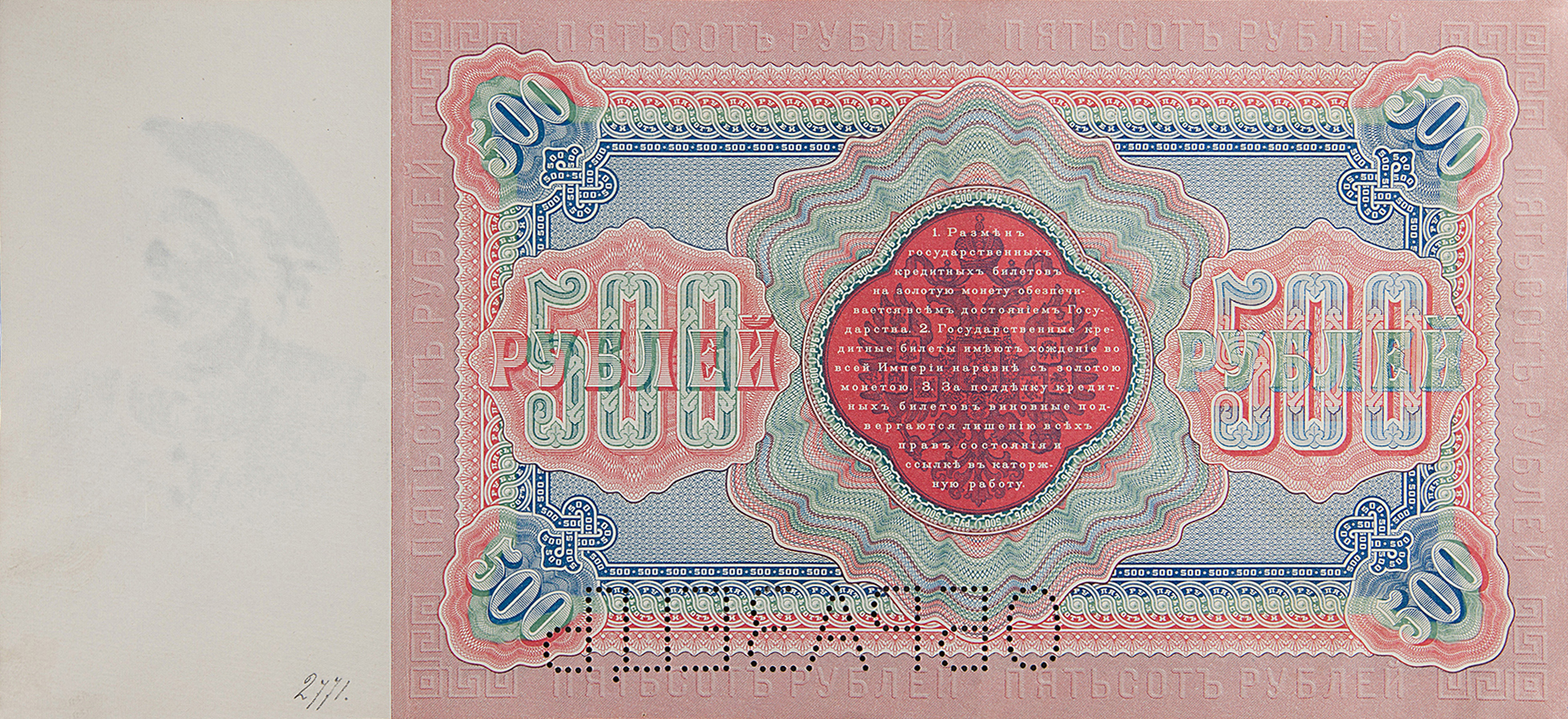
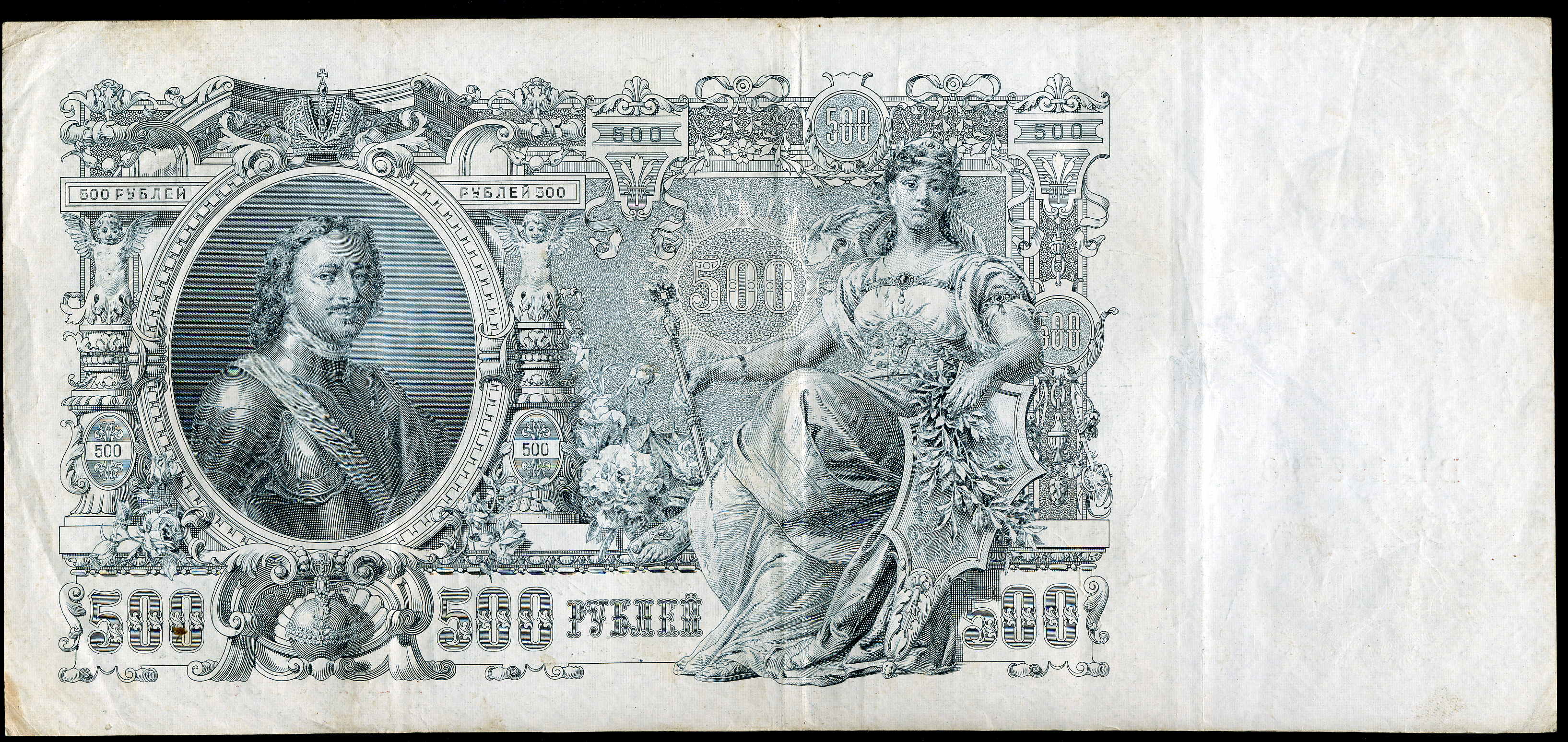
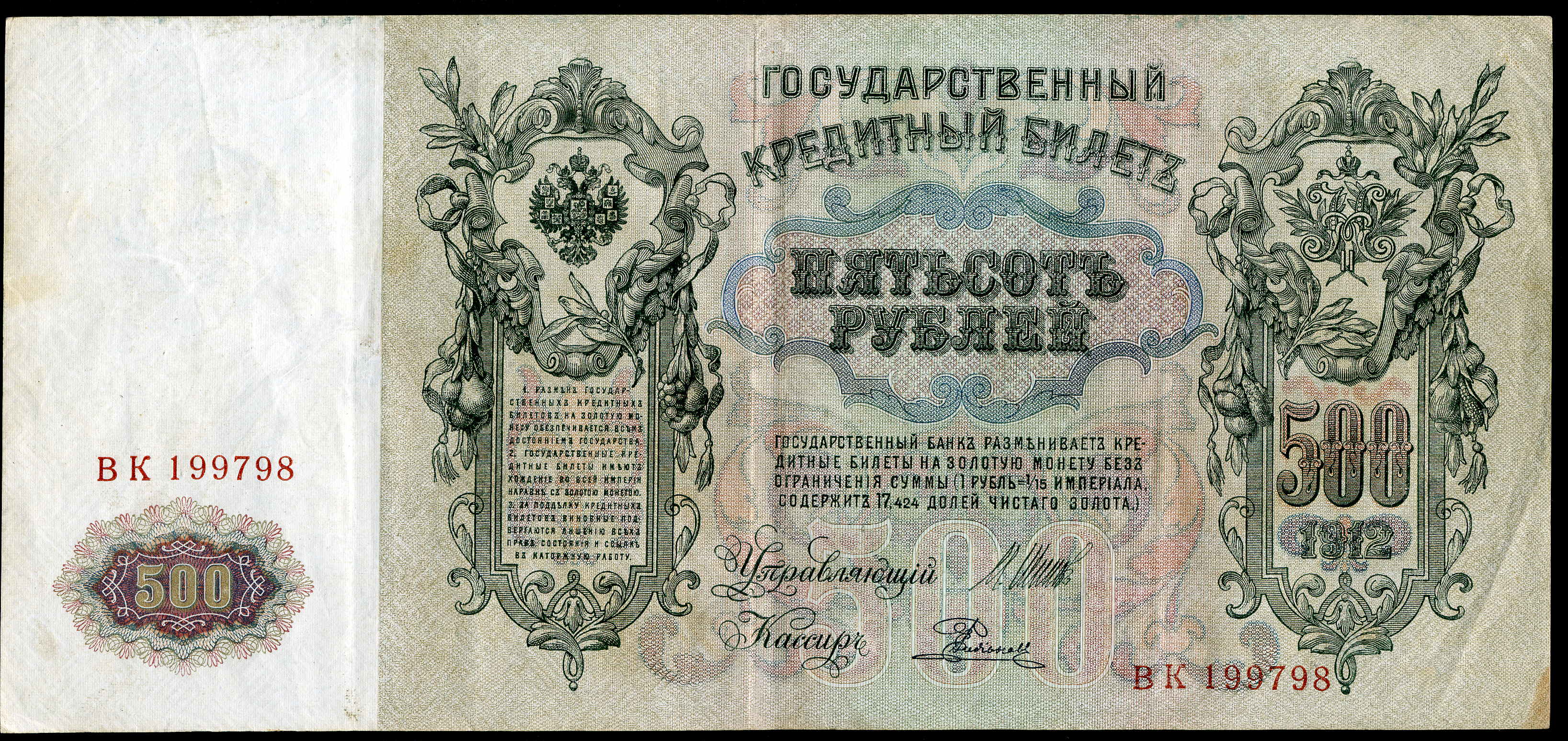
From 1866 the 100-rouble credit notes carried a portrait of Catherine II, and the note became affectionately known as “katenka” or “katerinka” — for example, the 100 roubles of 1910. The 500-rouble note with Peter I was nicknamed “petenka”: his portrait was on the 500 roubles of 1898 and the 500 roubles of 1912.
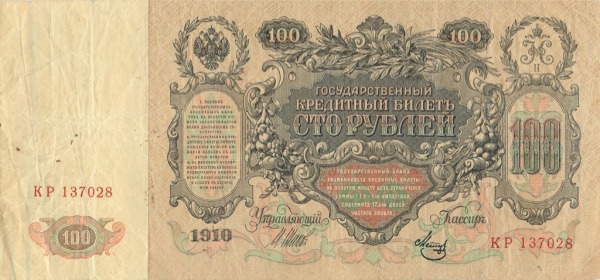
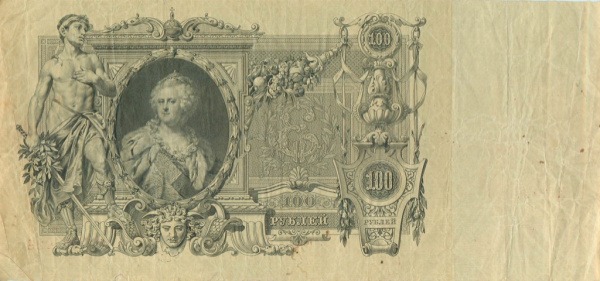
100 rubles — Russian Empire (1910)
Photo: ANUMIS · anumis.ru
Pyatikhatka — five hundred
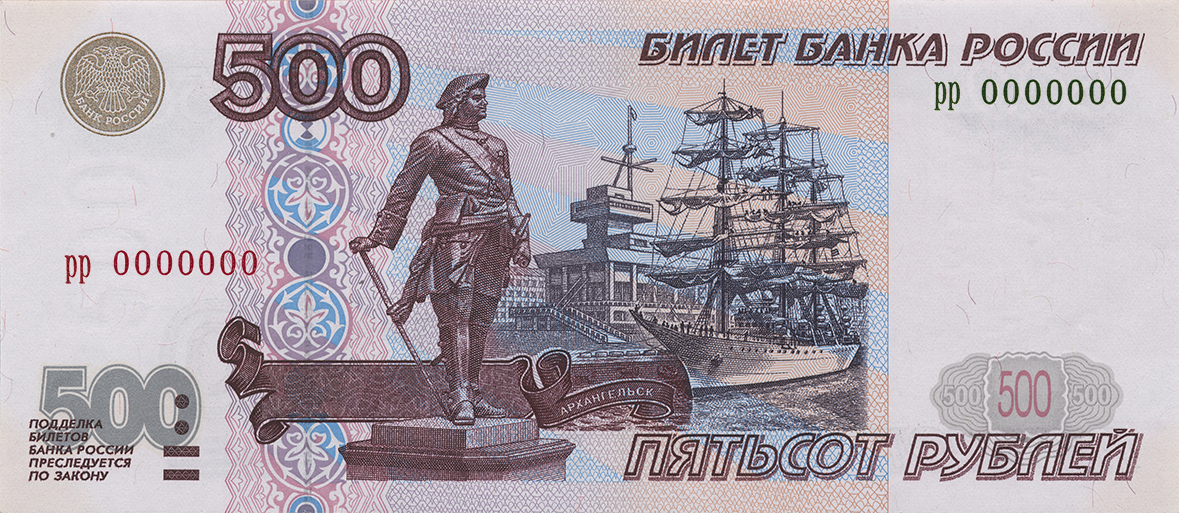
The most disputed one. The popular version: five “katki” of a hundred roubles make a “pyatikatka”, which over time turned into “pyatikhatka”. It is a nice story, but there is no written evidence of such a shift, and linguists treat it with caution. The word spread widely in the 1990s, and today a pyatikhatka is the 500-rouble note.


Photo: cbr.ru
Stolnik, poltos, limon
These are simpler. “Stolnik” and “sotka” come from “sto”, a hundred; “poltos” from “poltinnik”, fifty; and “limon” (lemon) means a million because it sounds like “million”.