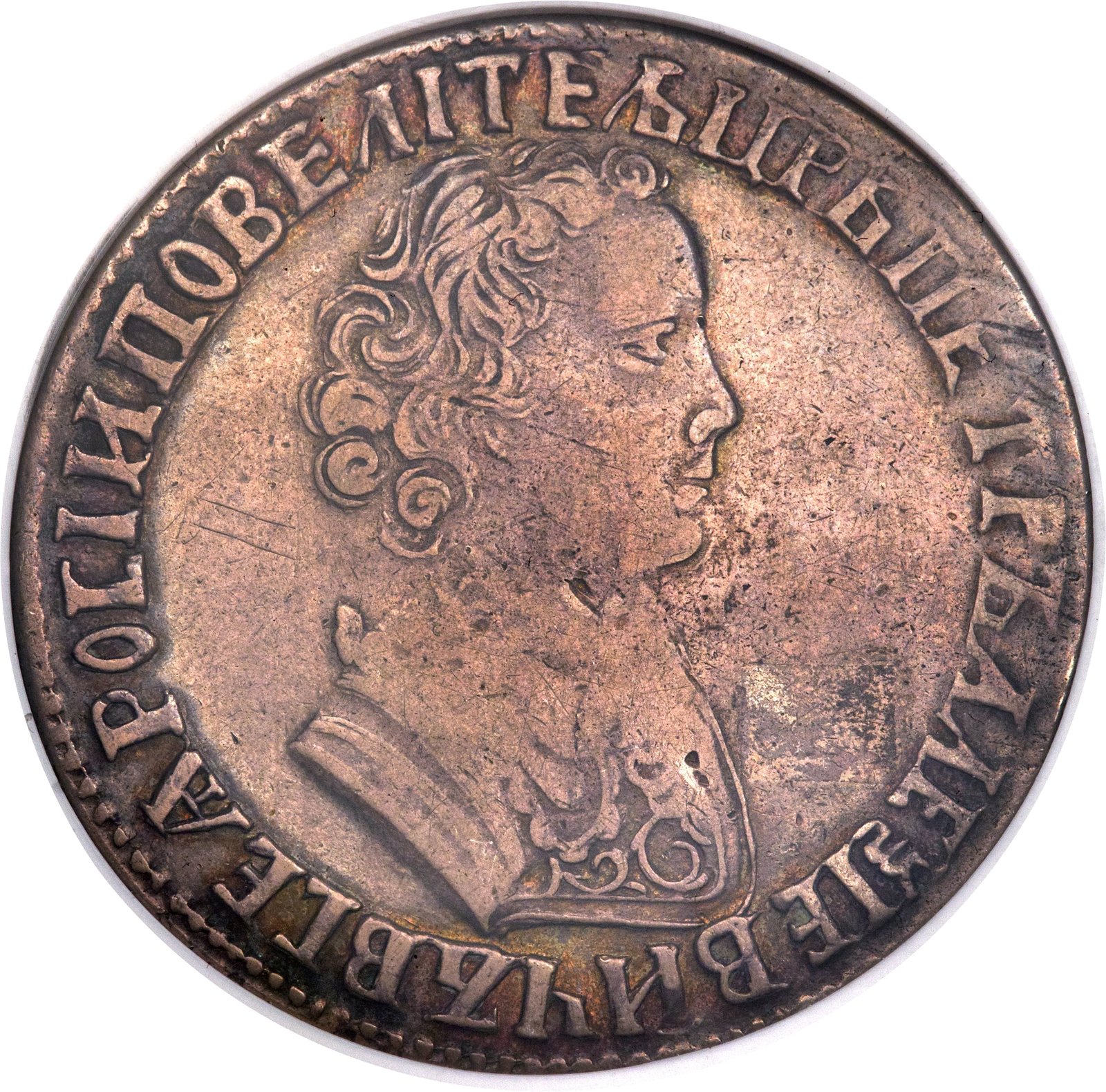
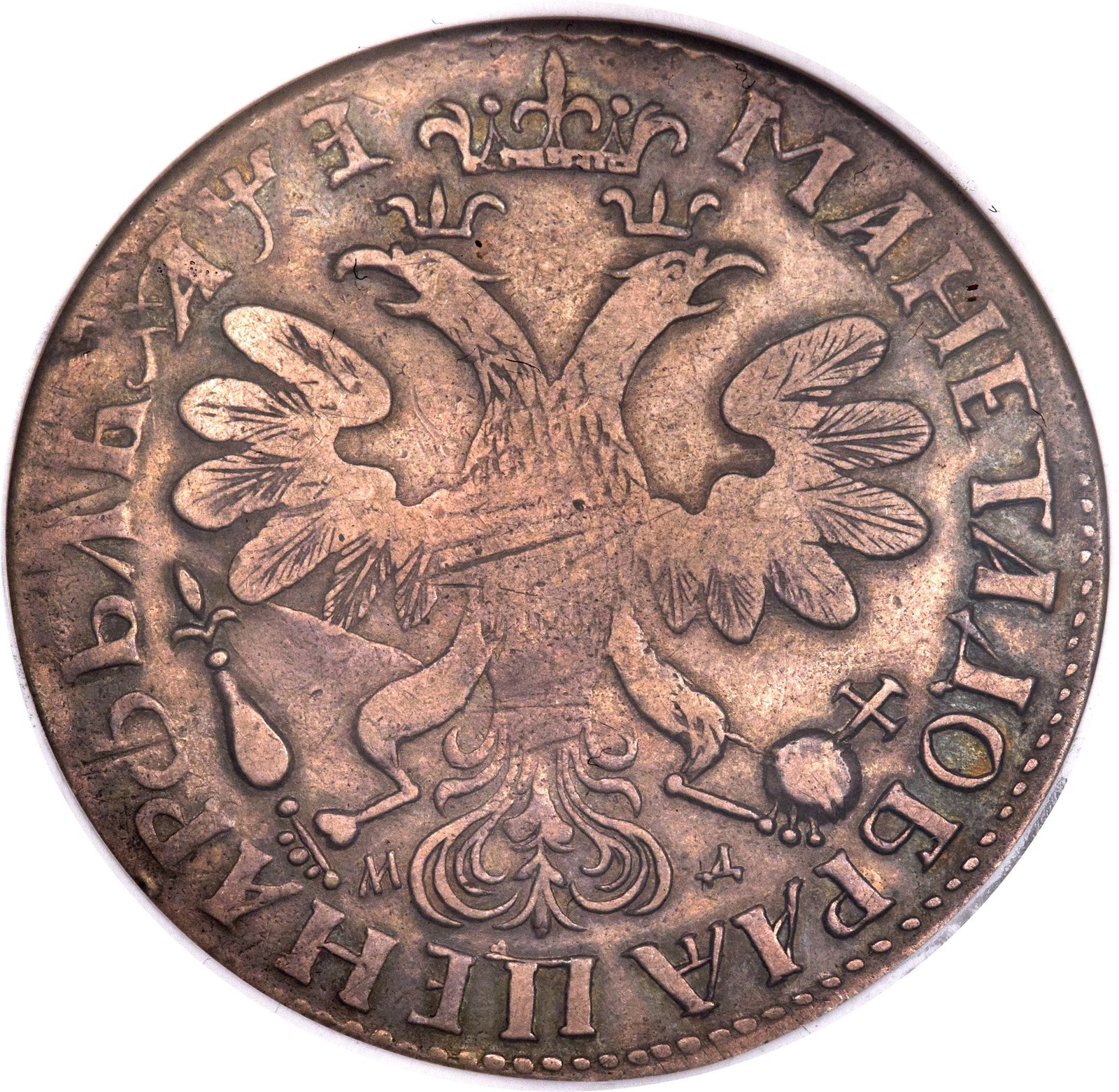
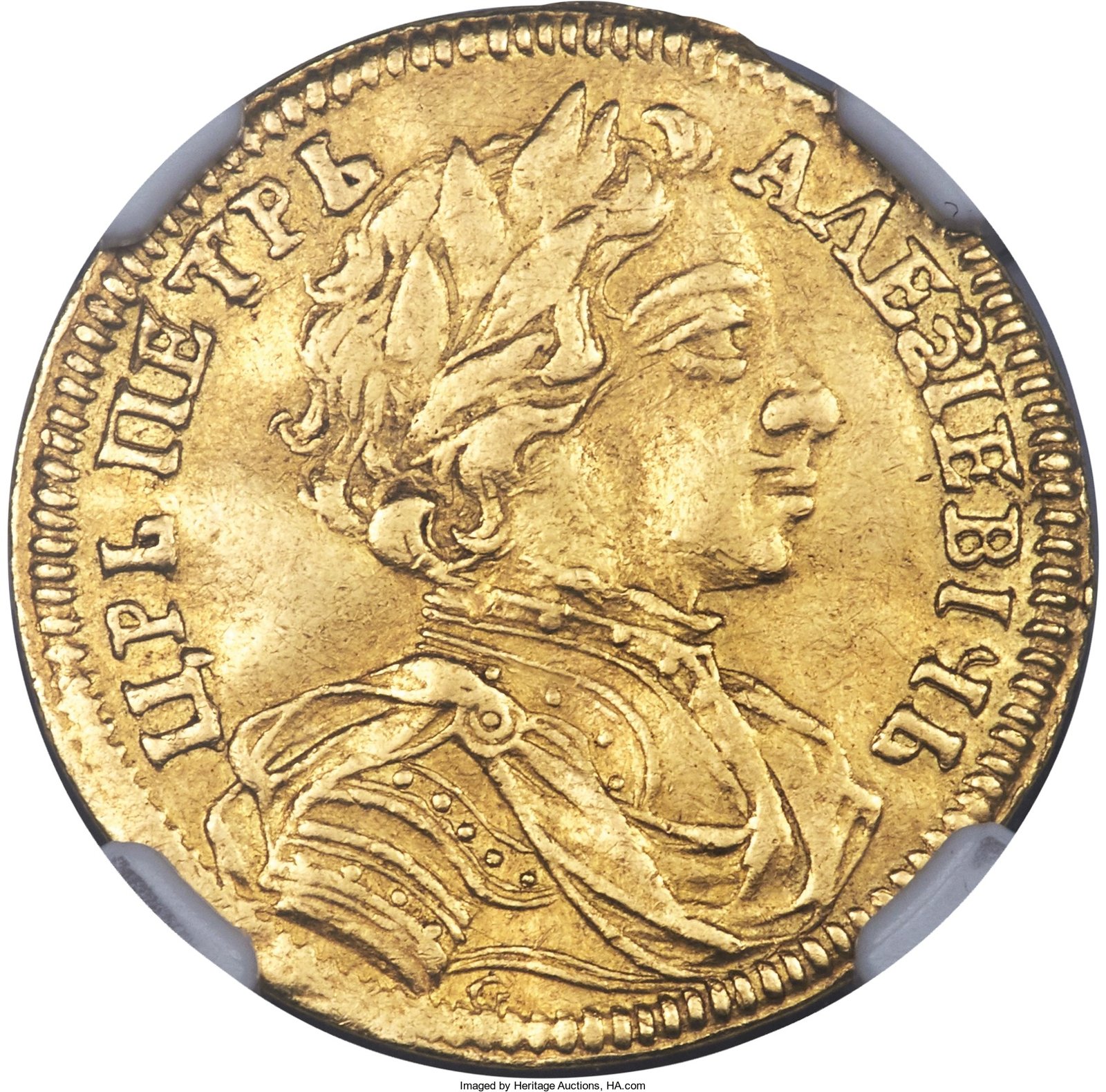
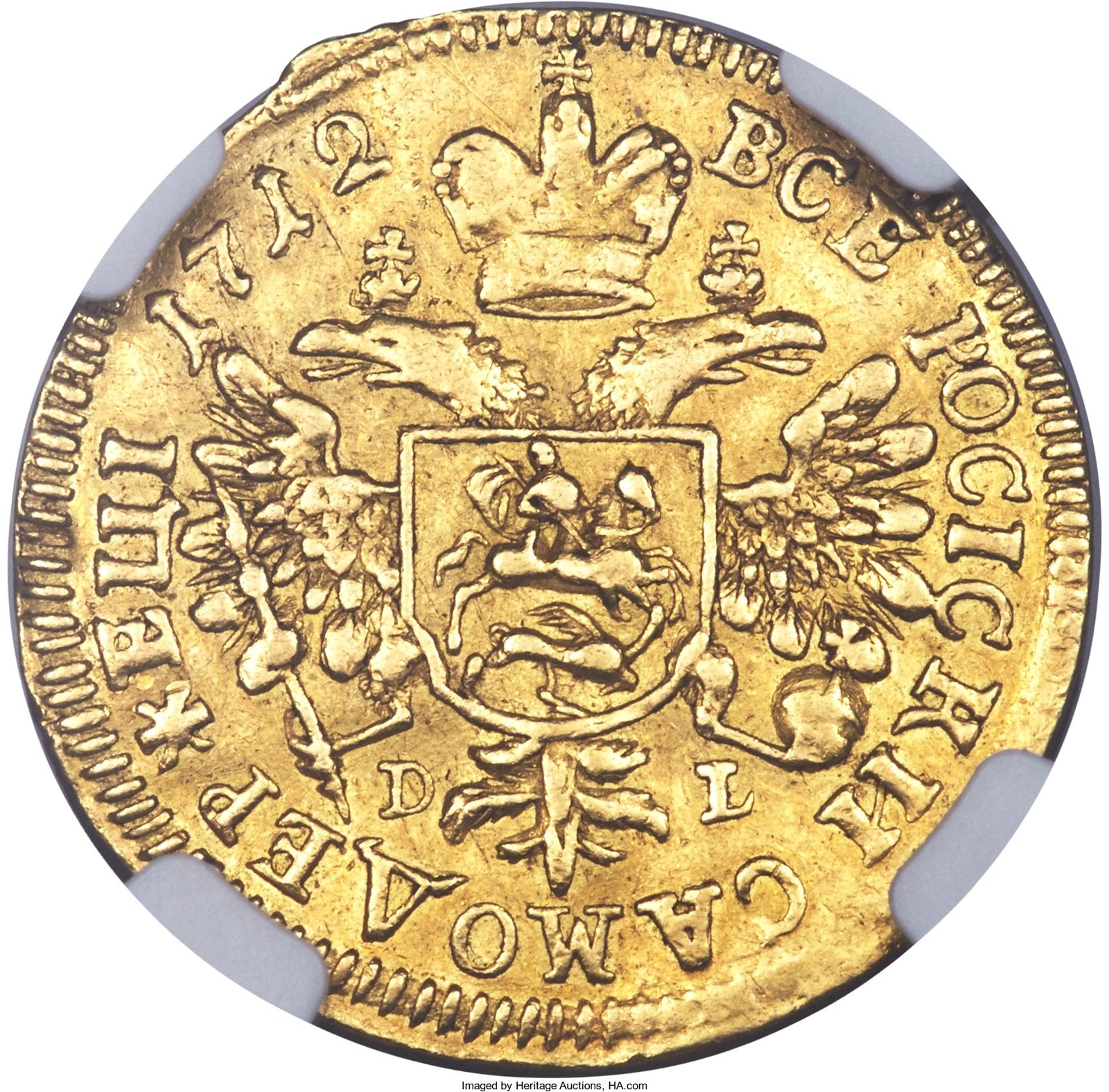
1 ruble — Russian Empire (1714)
KM# 149


Photo:
Numista
Non-commercial use only
Special facts
The rouble of 1714 is Peter I’s last rouble in 833 silver; after a pause, from 1718, roubles were made of 728 silver.
About the period
The coins of Peter I belong to the time of the monetary reform that took Russia from small silver "scale" coins to round coins of the modern kind and to decimal reckoning: one rouble equals one hundred kopecks. More about the period “Peter I”, 1700 — 1725
Coins and banknotes of this year: 1714
Specifications
- Period
- Peter I
- Currency
- 1 ruble = 100 kopecks
- Issue type
- Circulation
- Distinguishing feature
- Moscow Rouble
- Mint mark
- Krasny Mint
- Metal
- Silver
- Fineness
- 833
- Precious metal weight
- 23.324 g
- Diameter
- 42.5 mm
- Weight
- 28.0 g
- Shape
- Round
- Orientation
- Medal (↑↑)
Other items of the period
-
Polupoltinnik (1713)
KM# 148
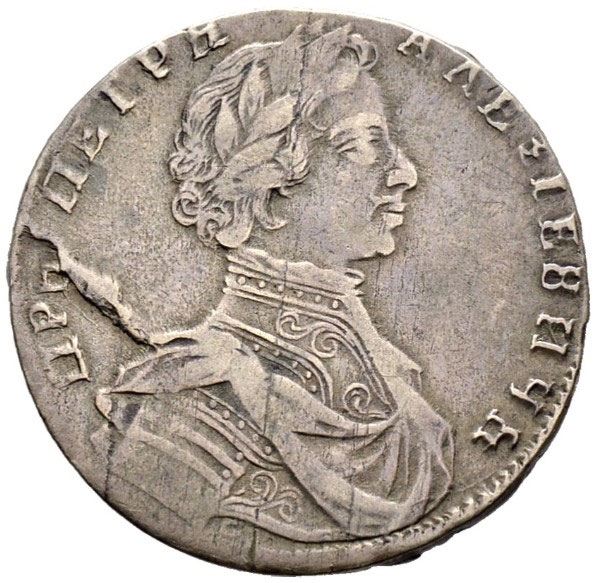
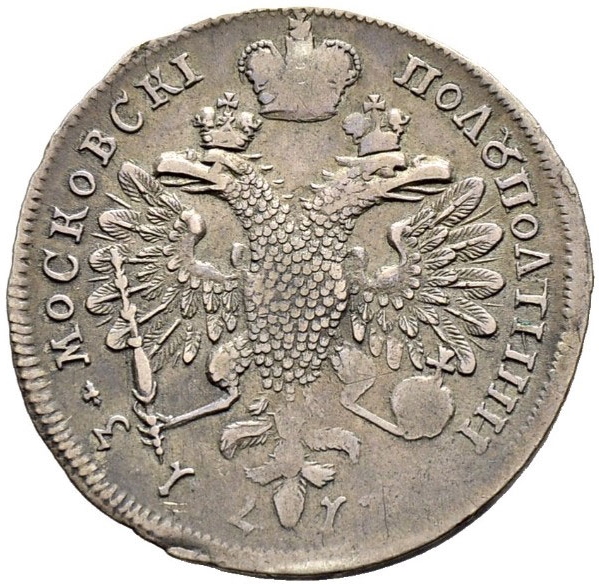
-
Poltina (1701–1705)
KM# 106
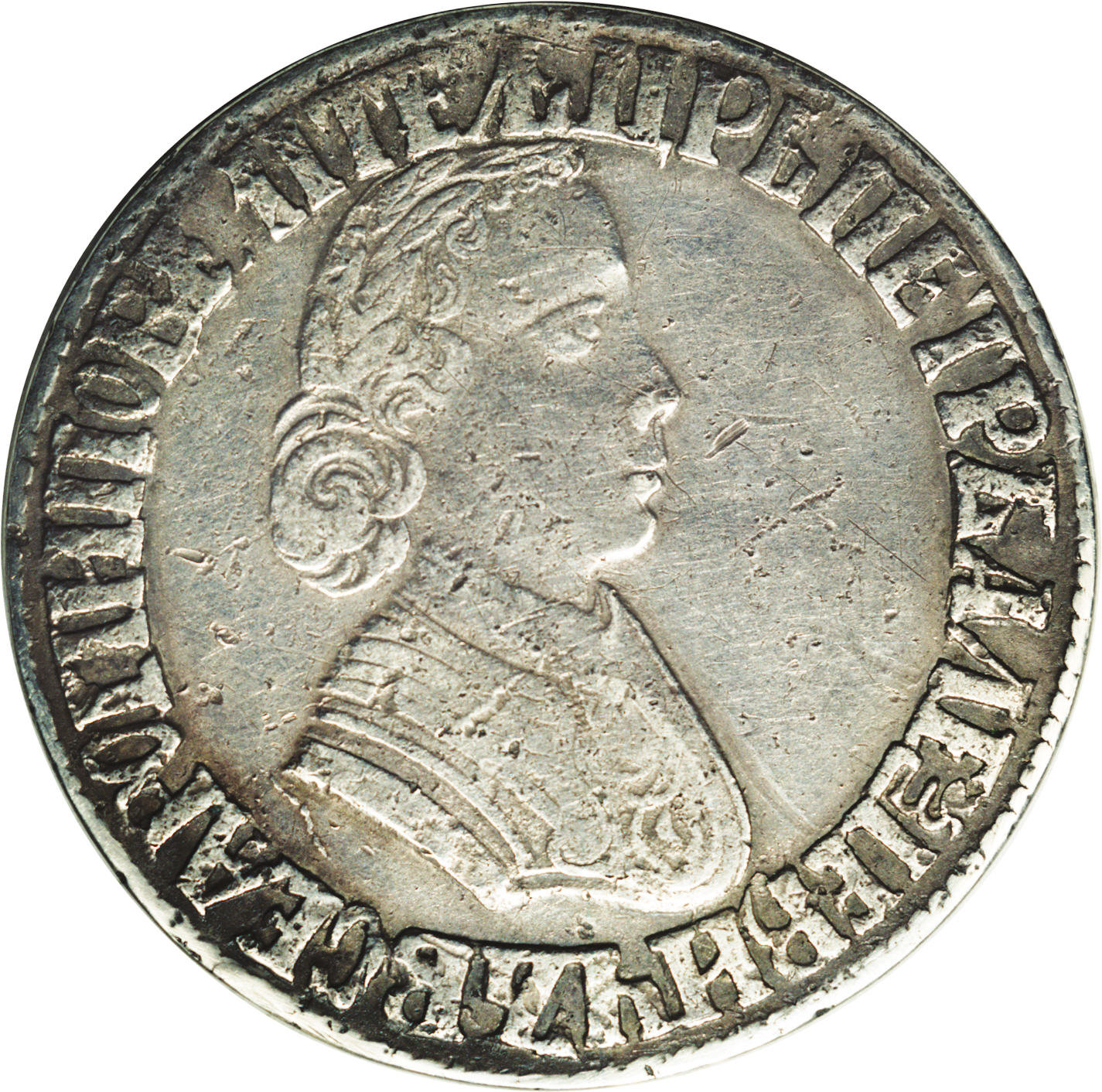
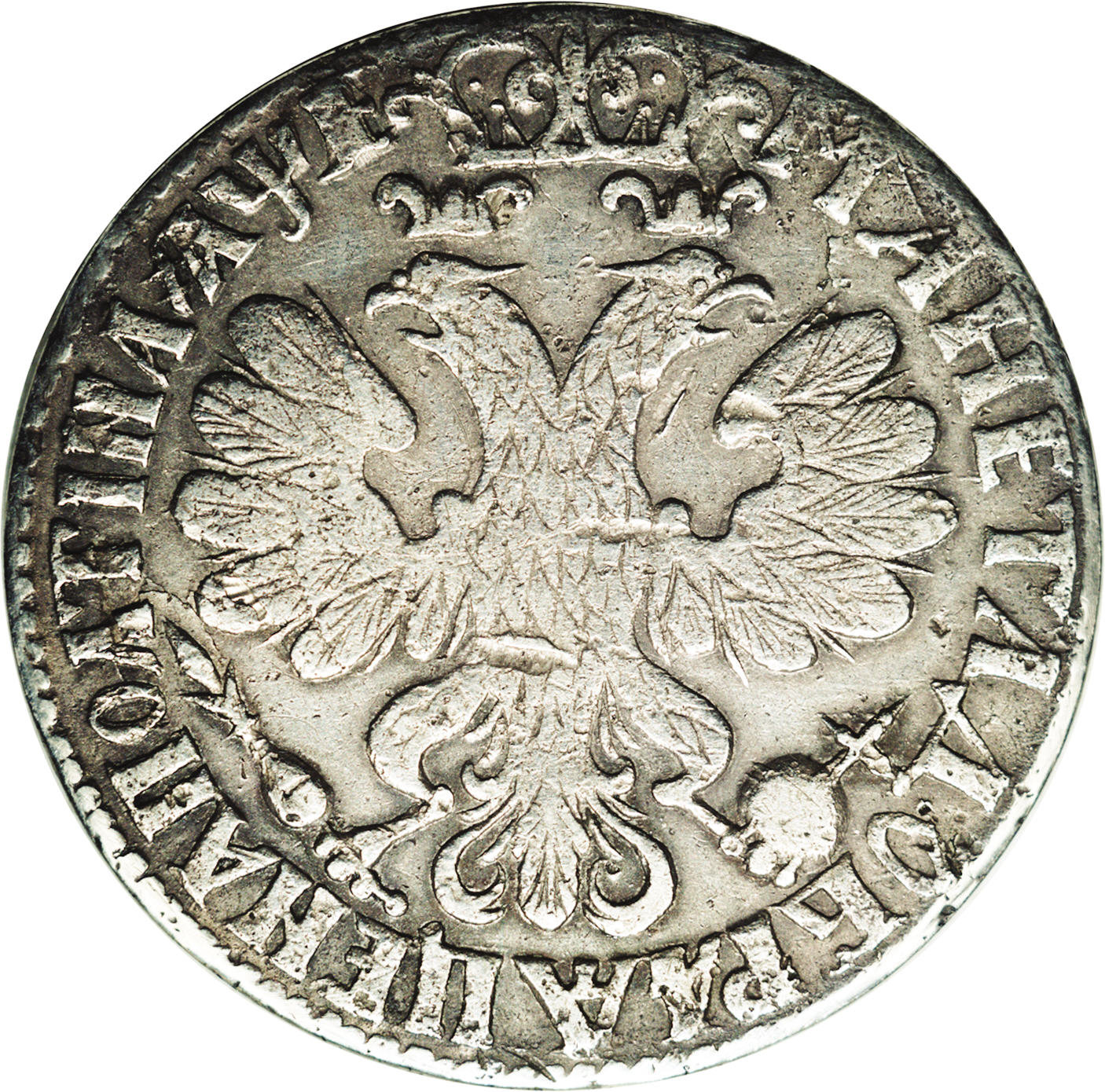
-
Poltina (1705–1706)
KM# 124
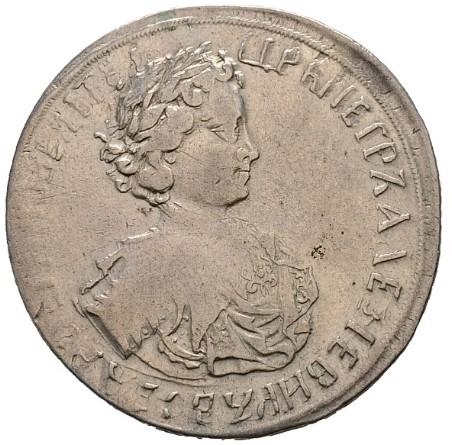
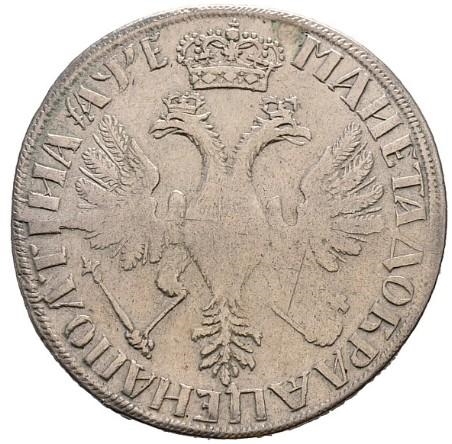
-
Poltina (1707–1710)
KM# A129
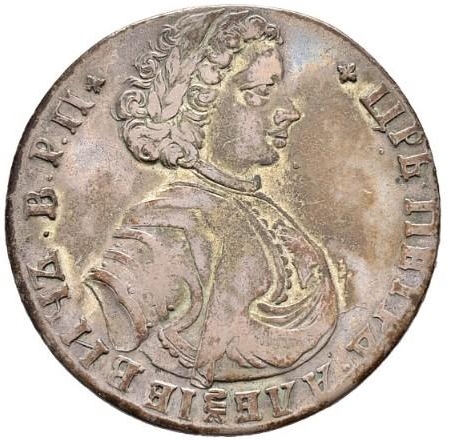
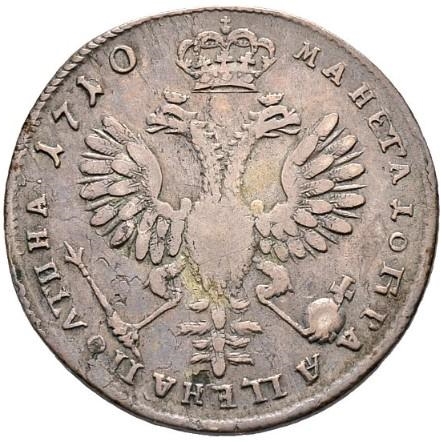
-
Poltina (1712)
KM# 137
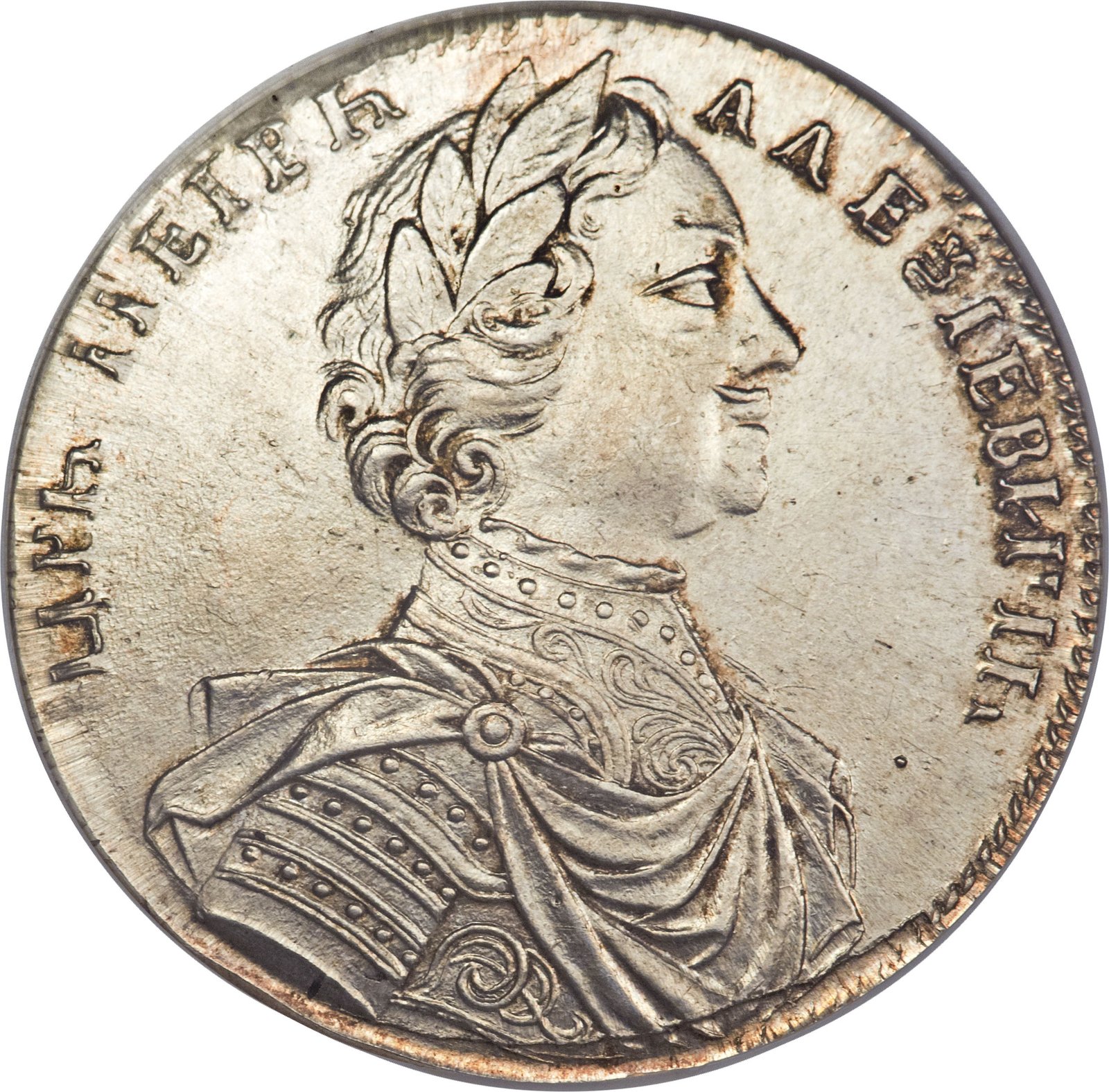
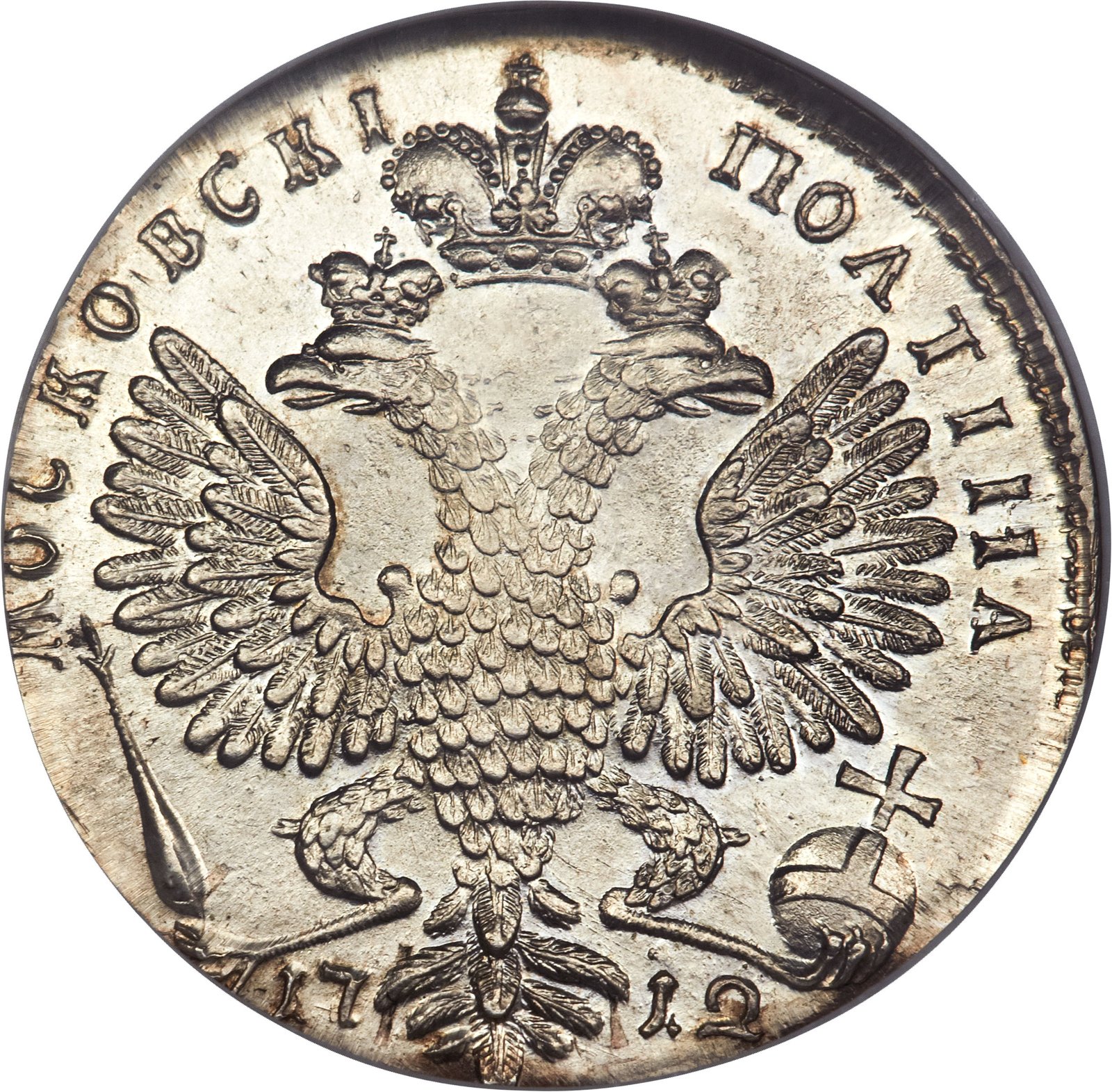
-
Poltina (1718–1722)
KM# 156
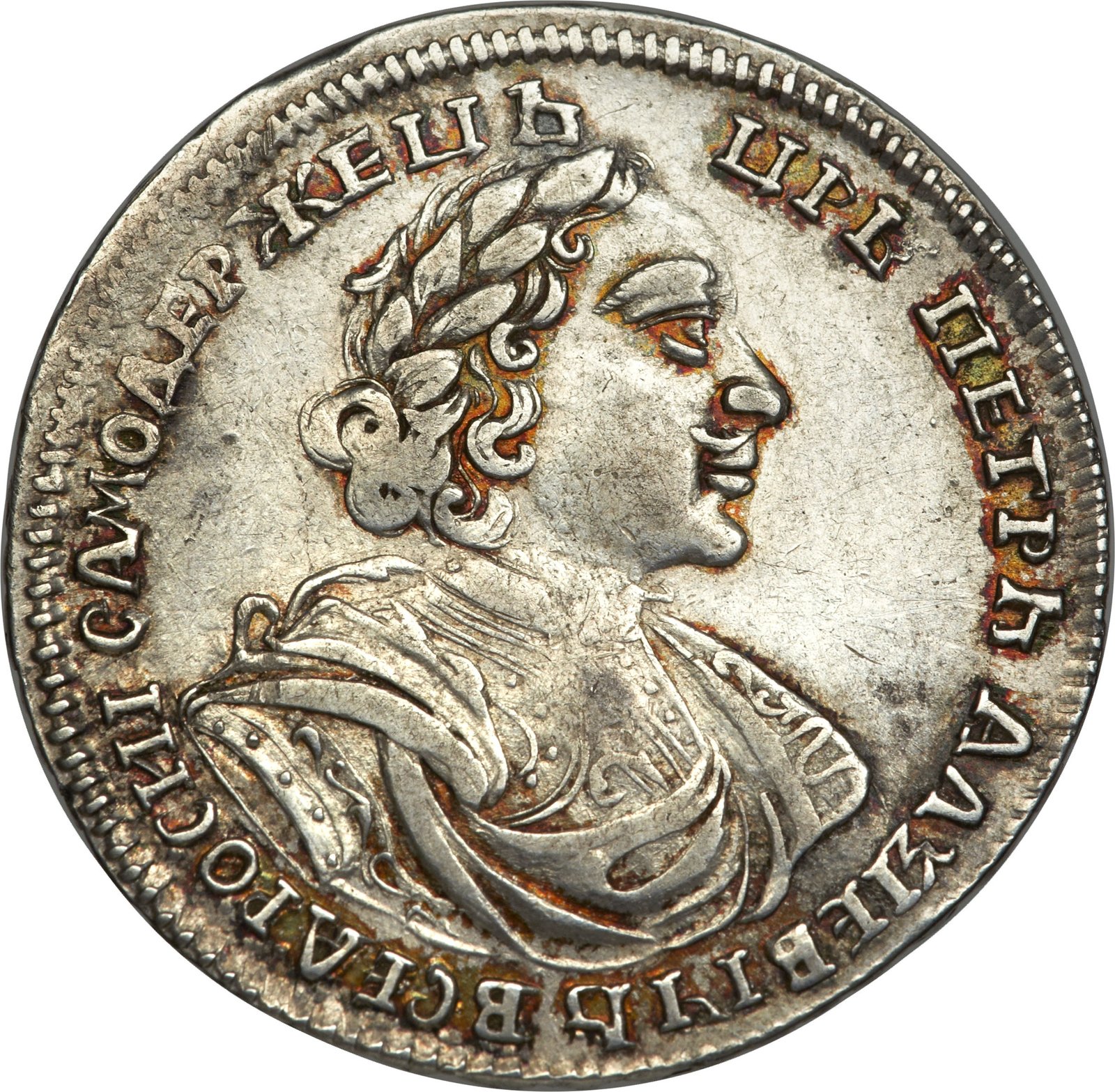
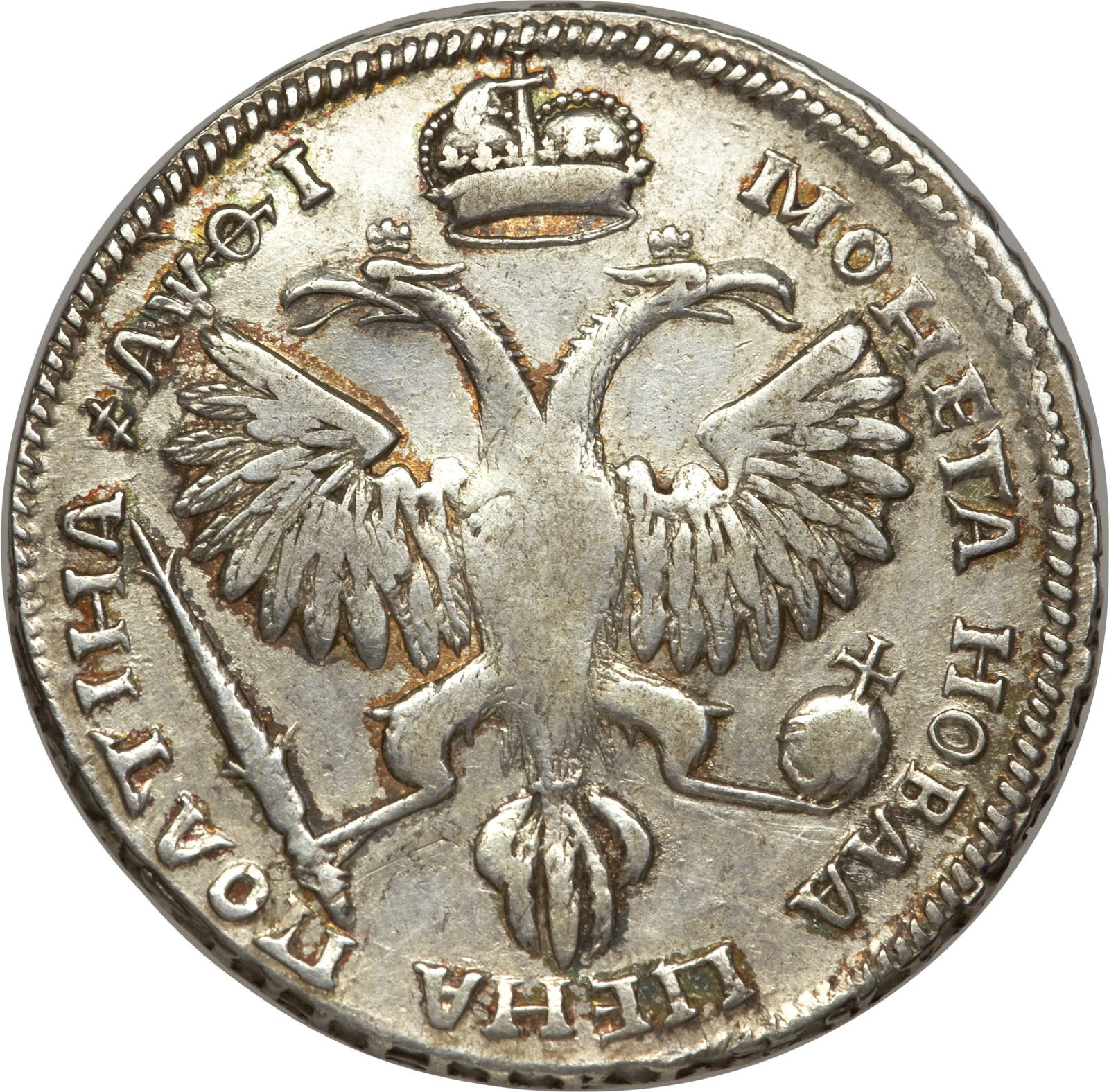
-
Poltina (1723–1725)
KM# 159
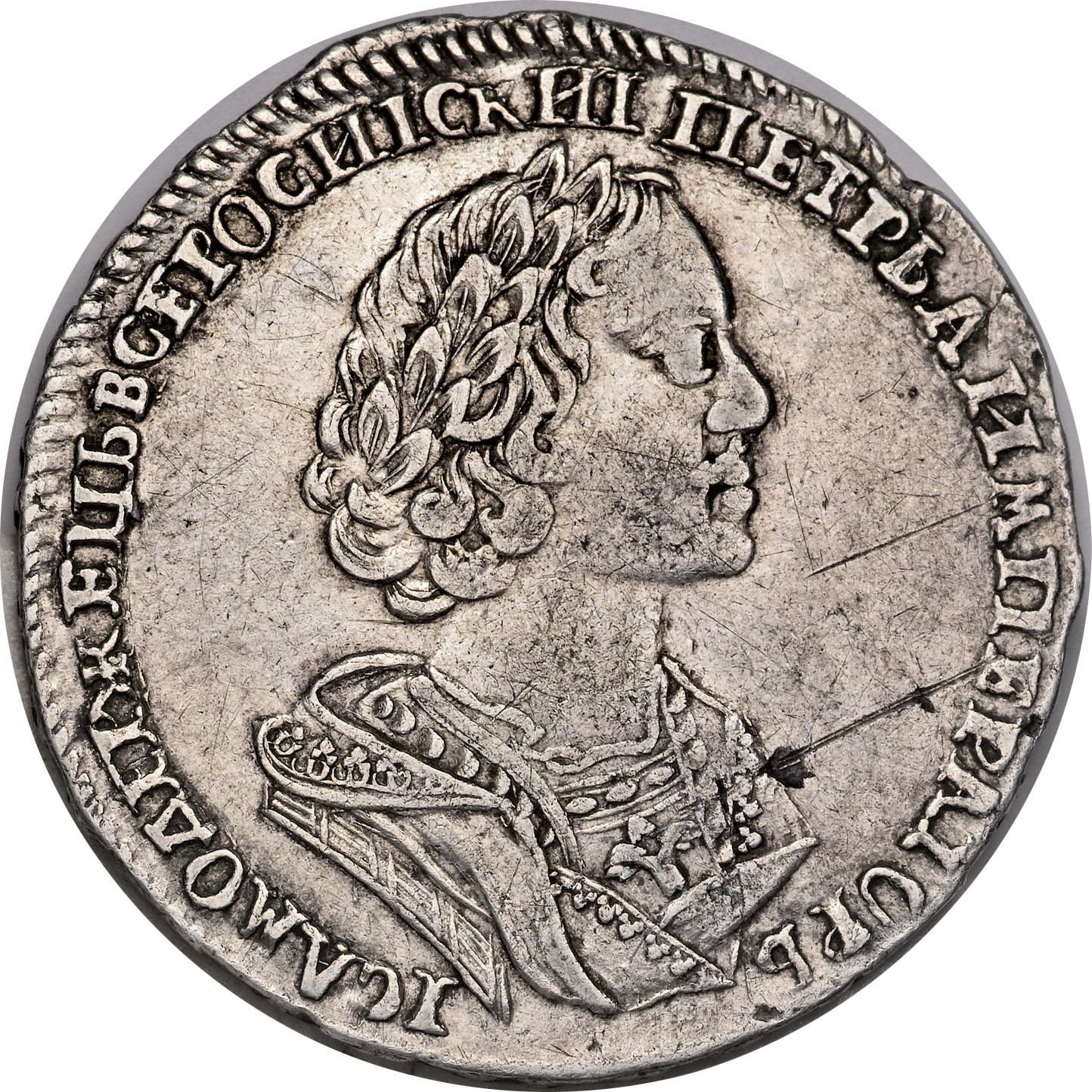
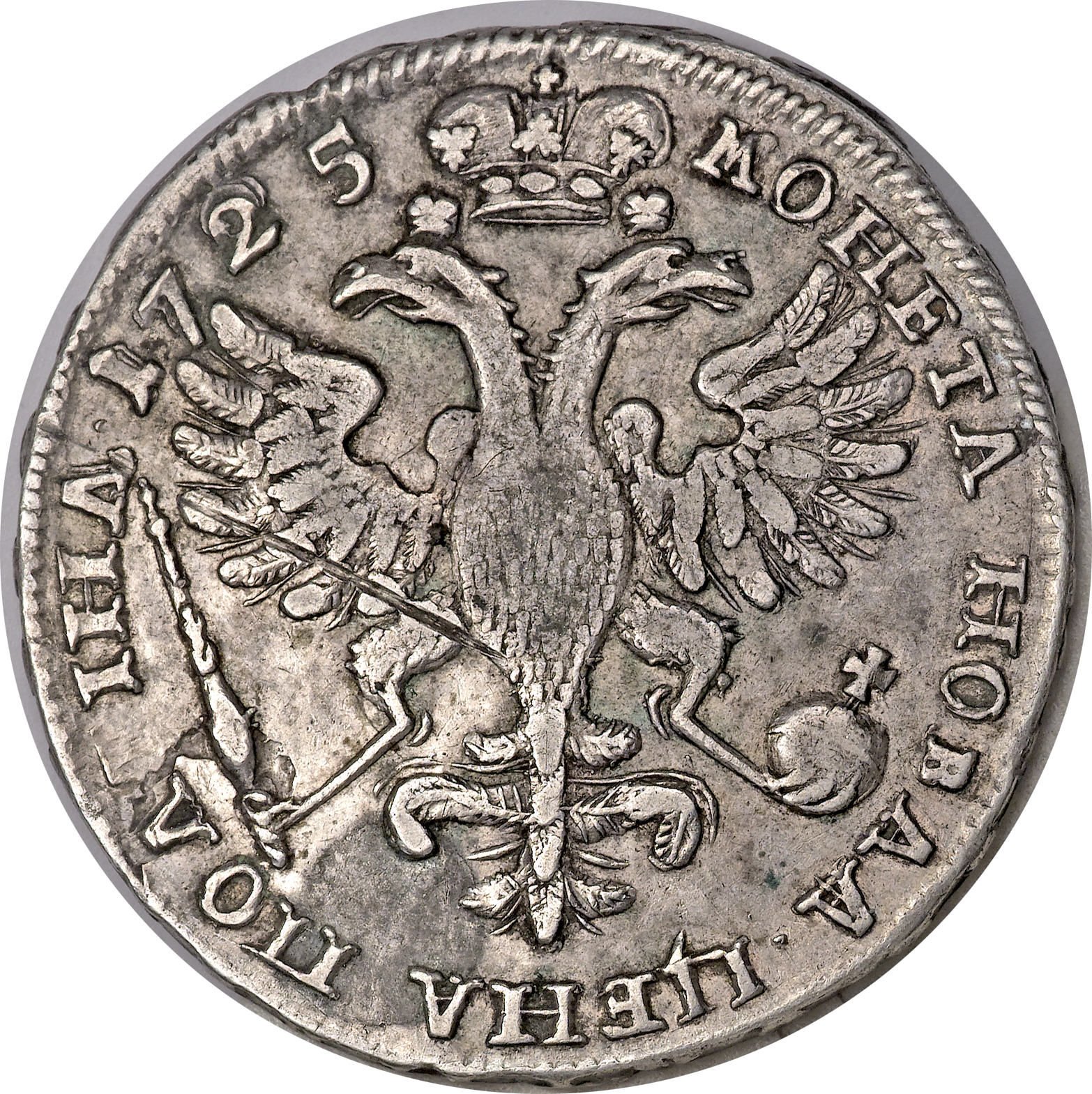
-
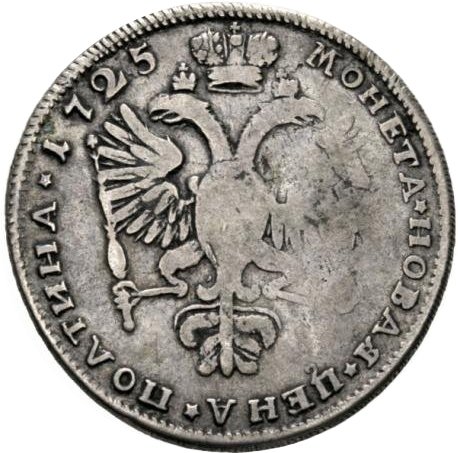
Poltina (1725)
KM# 161
СПБ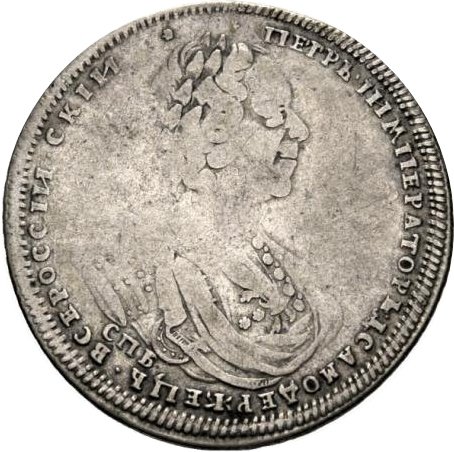
-
1 ruble (1704–1705)
KM# 122
-
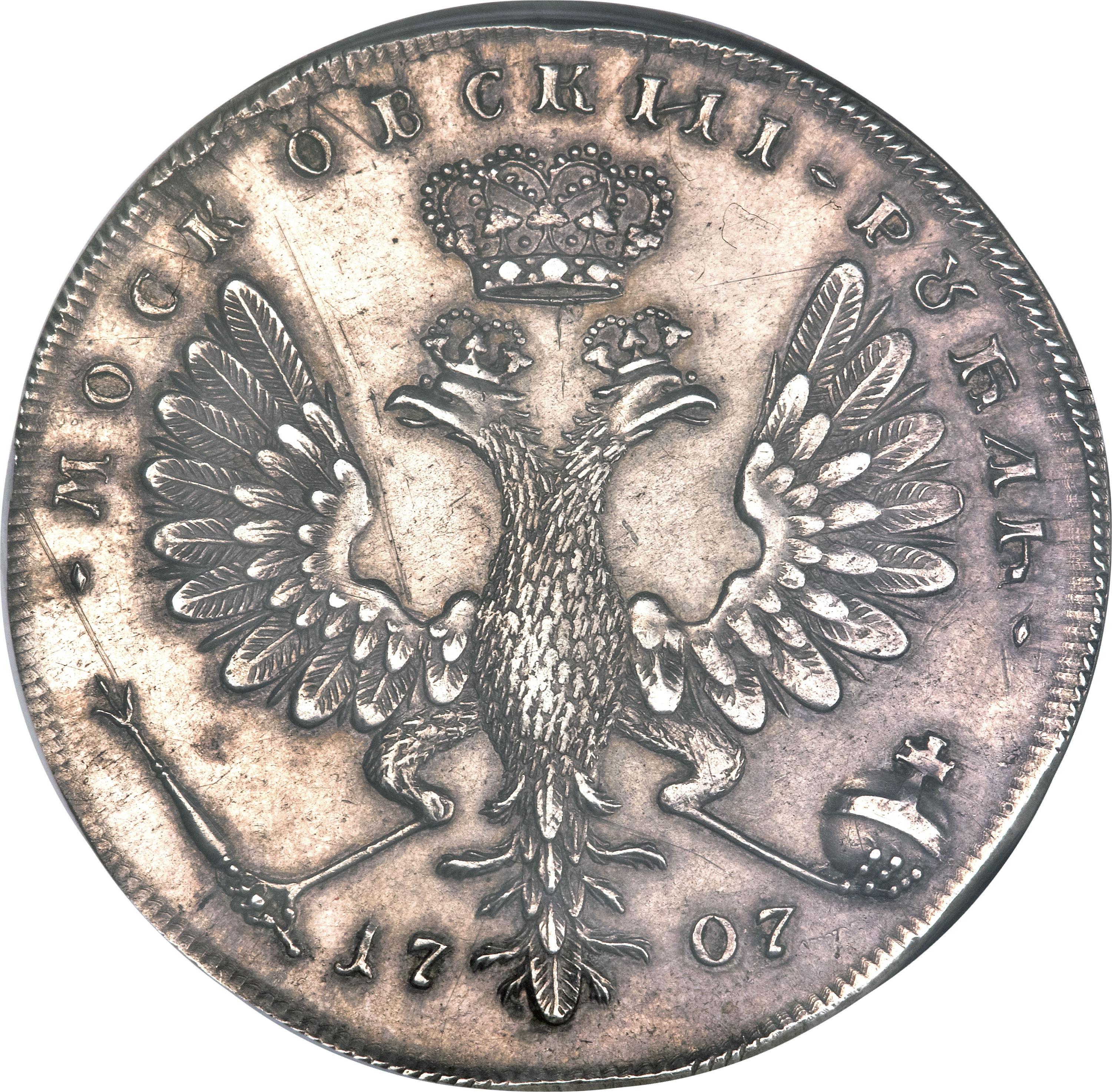
1 ruble (1707)
KM# 130
Moscow Rouble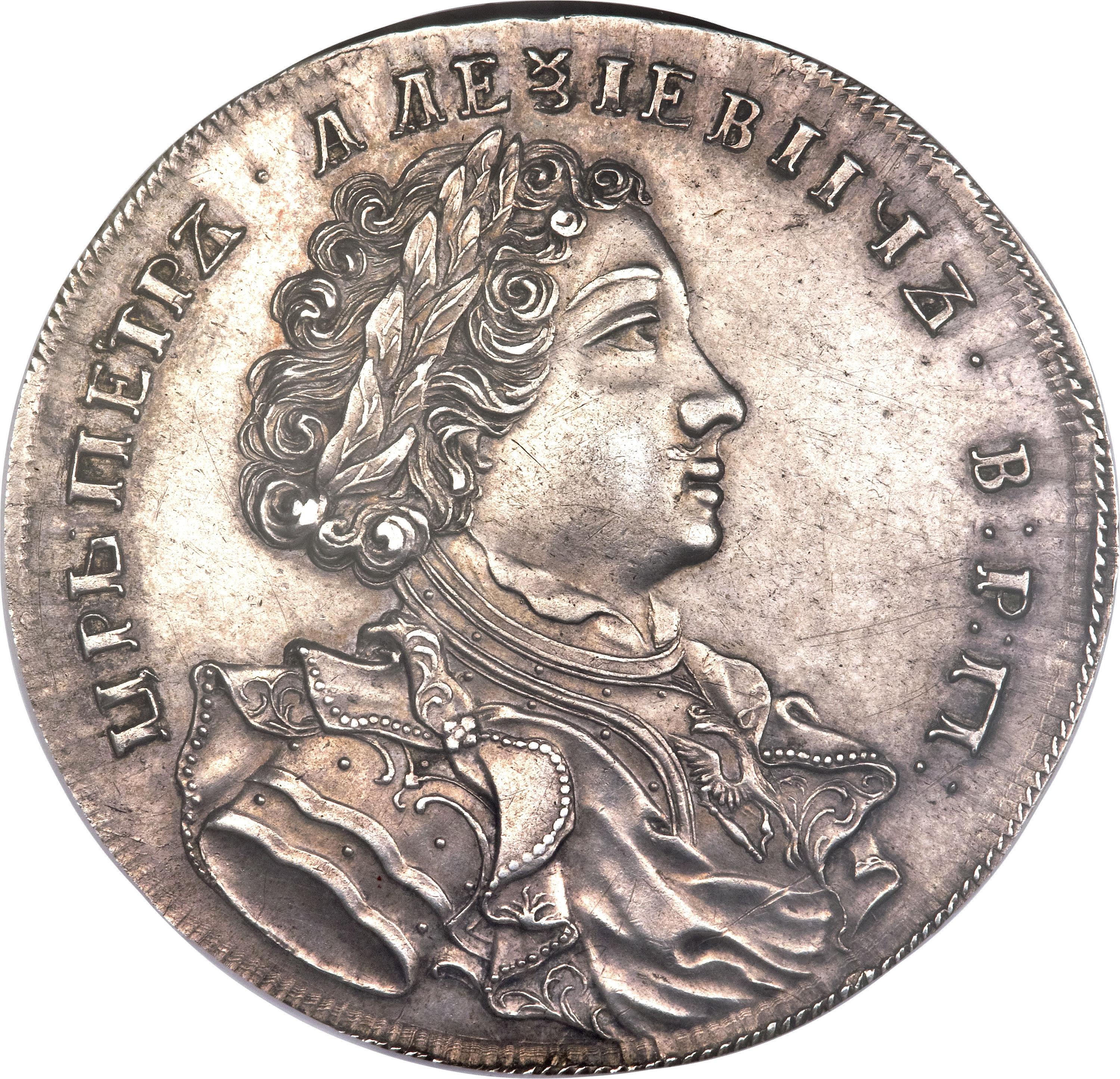
-
1 ruble (1710)
KM# 130
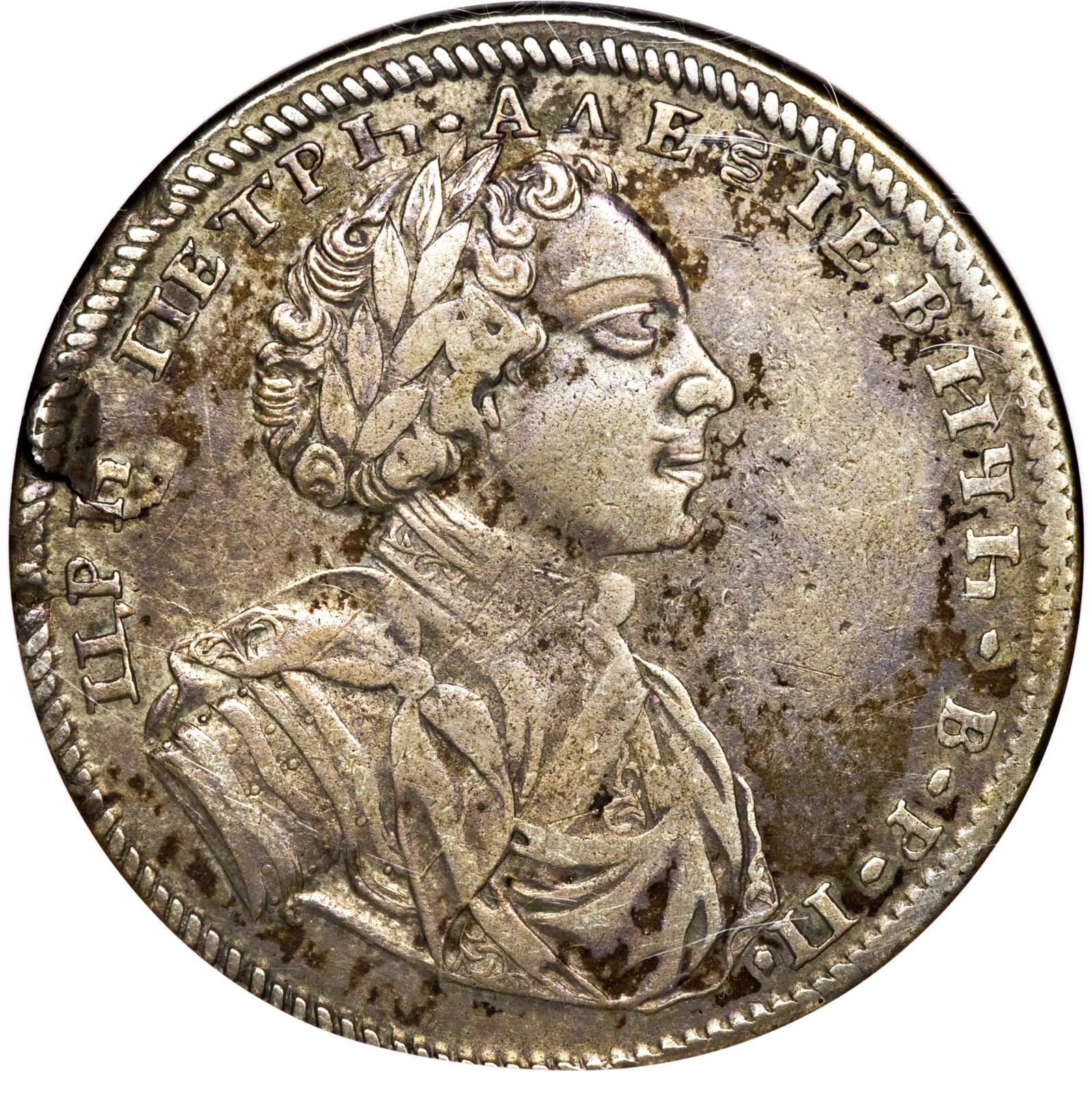
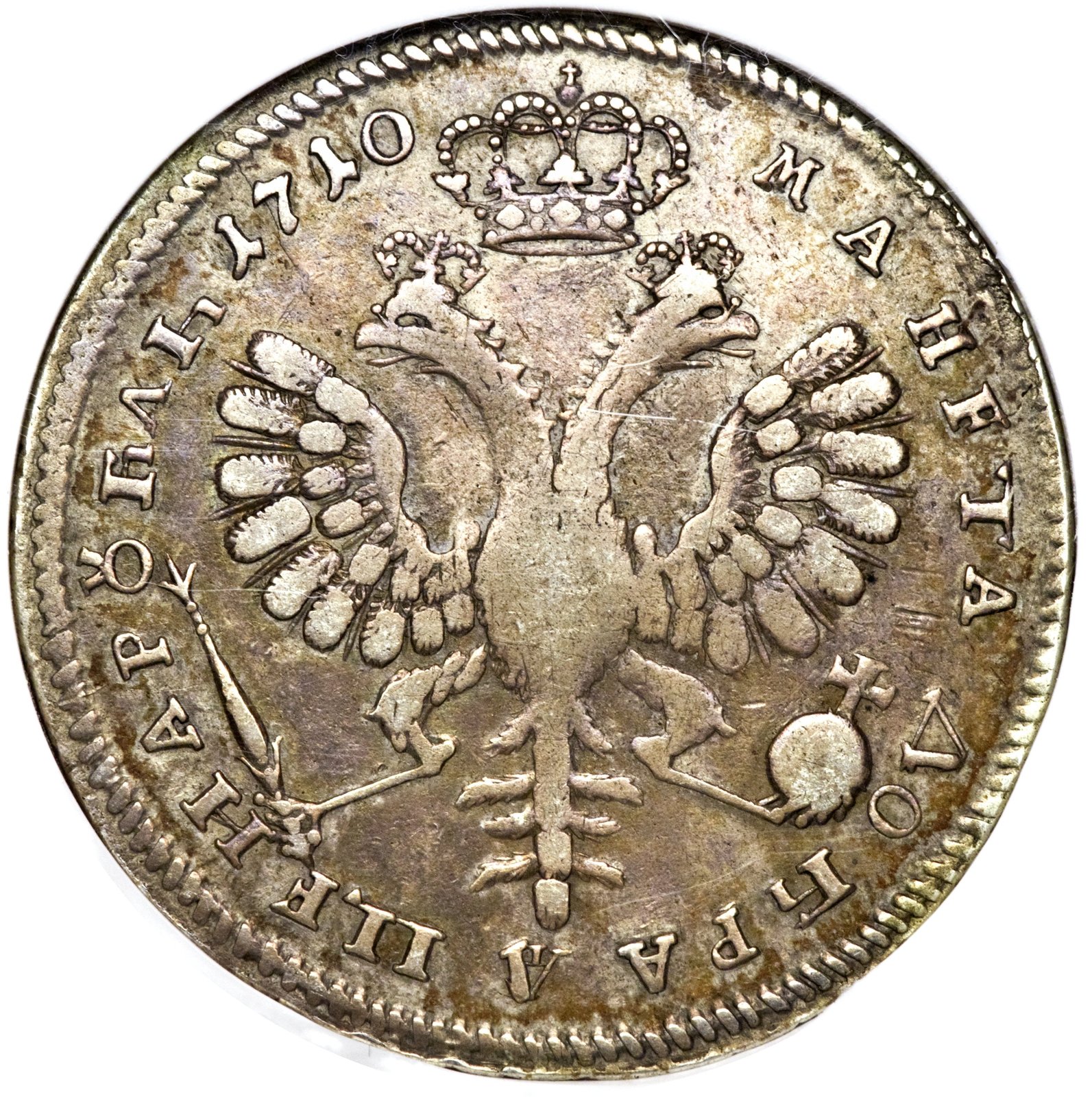
-
1 ruble (1712)
KM# 138
Moscow Rouble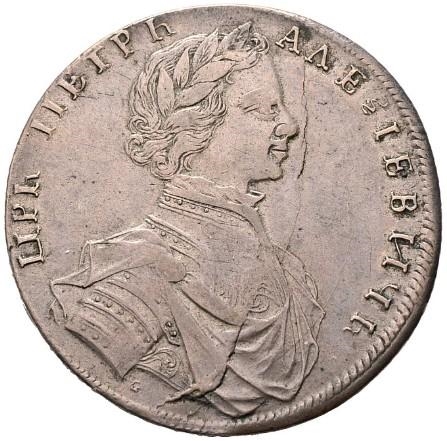
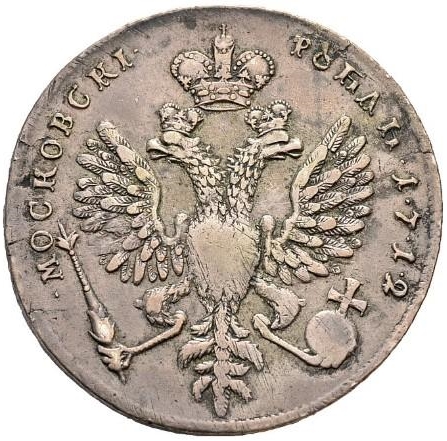
-
1 ruble (1714)
KM# 149
Moscow Rouble -
1 ruble (1718–1721)
KM# 157
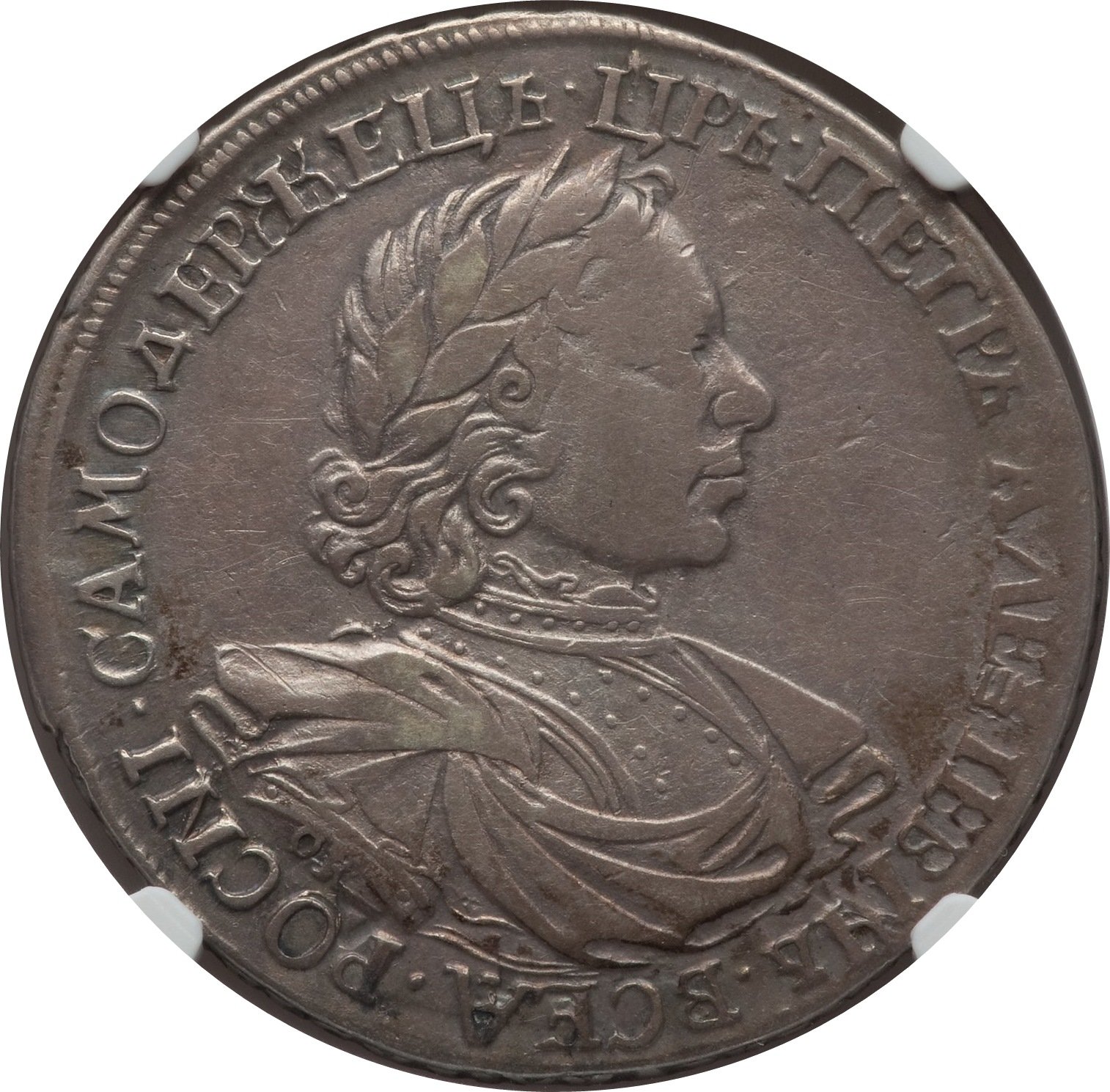
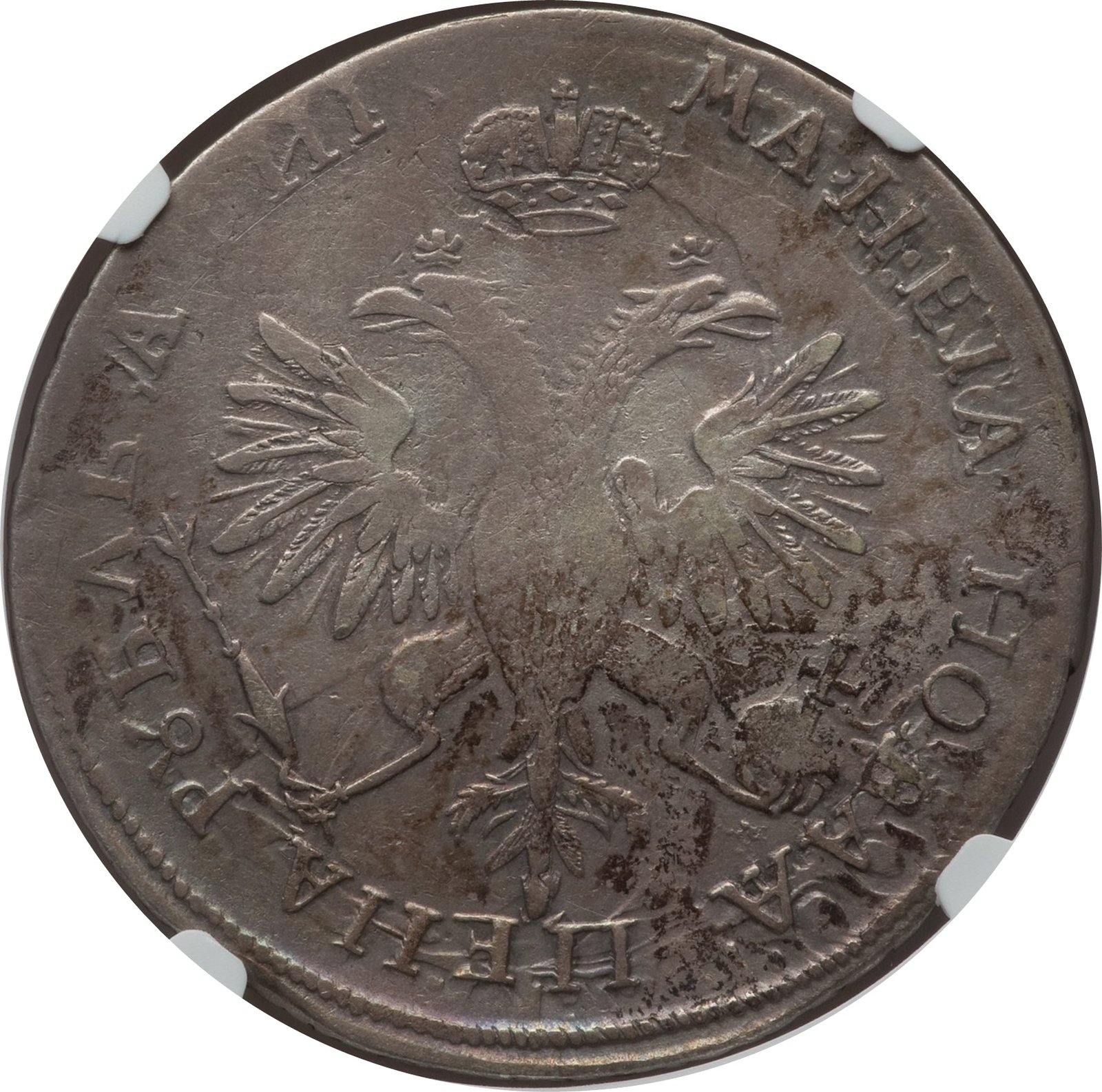
-
1 ruble (1722–1725)
KM# 162
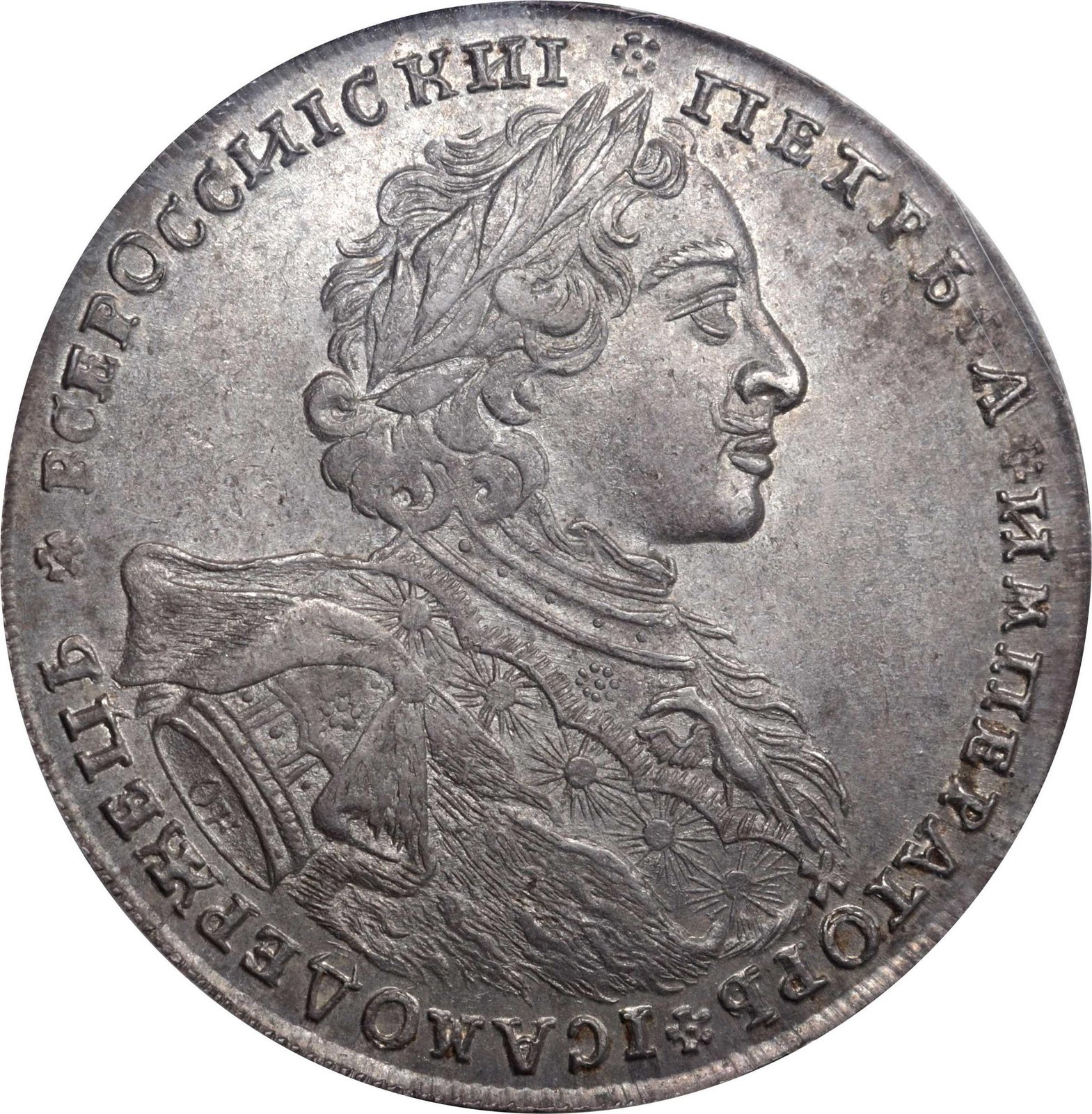
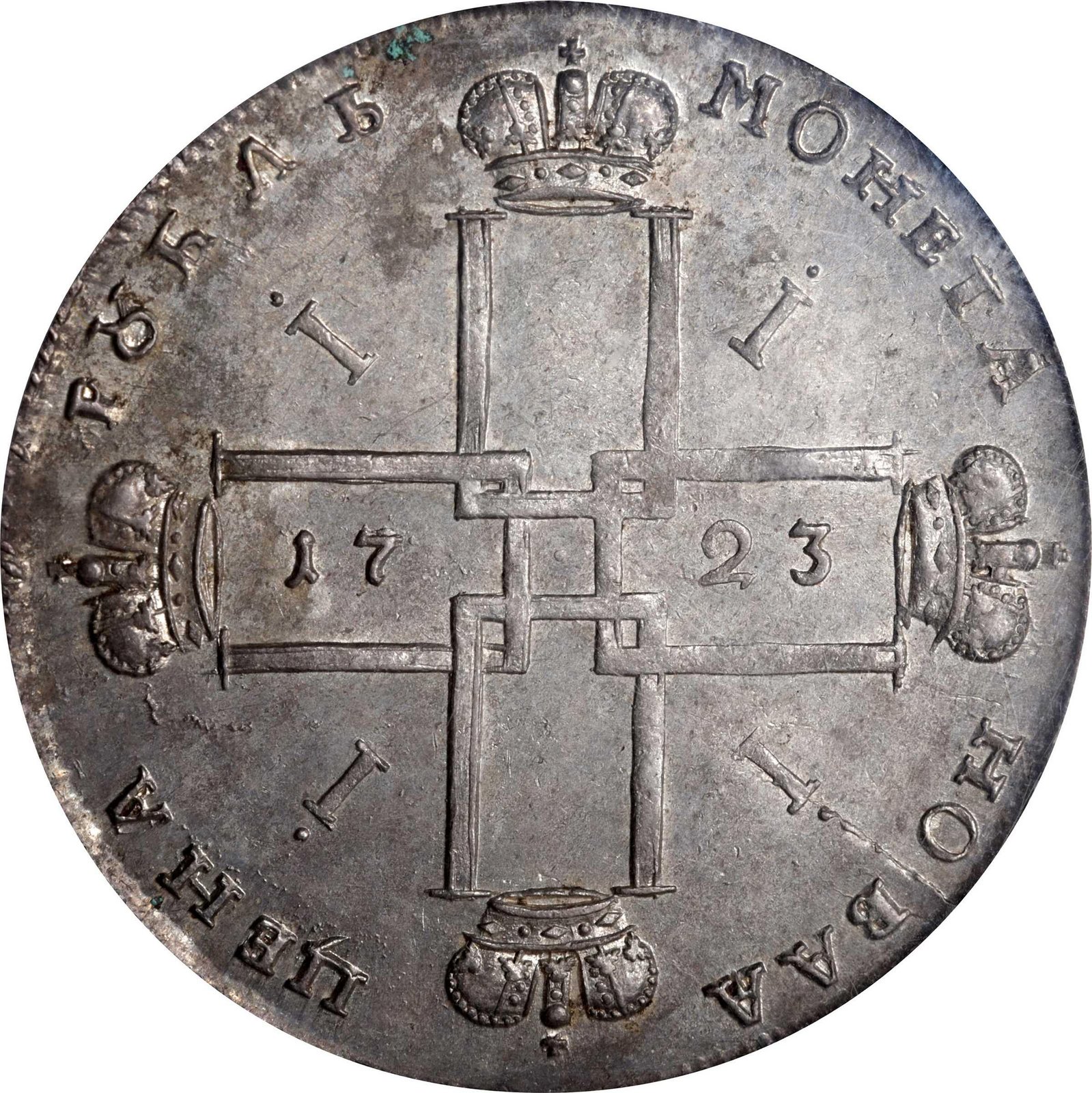
-
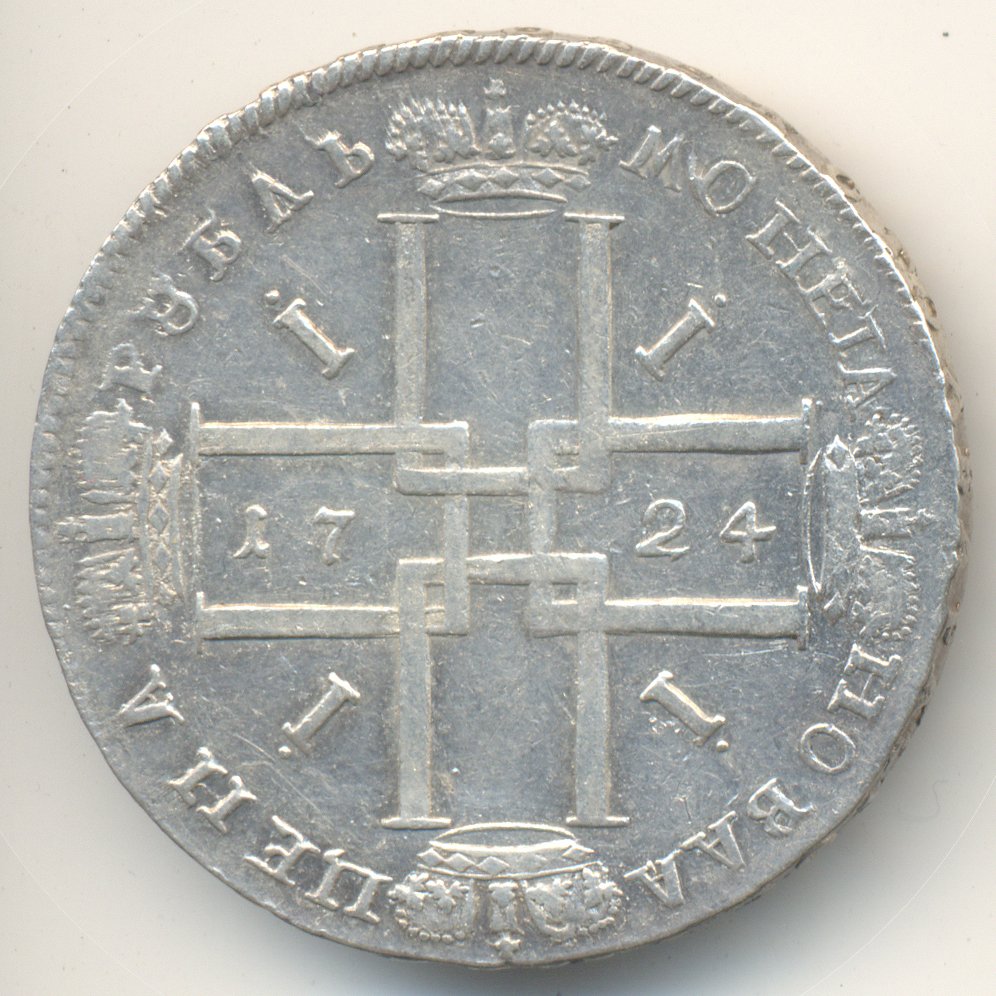
1 ruble (1724–1725)
KM# 166
Solar Rouble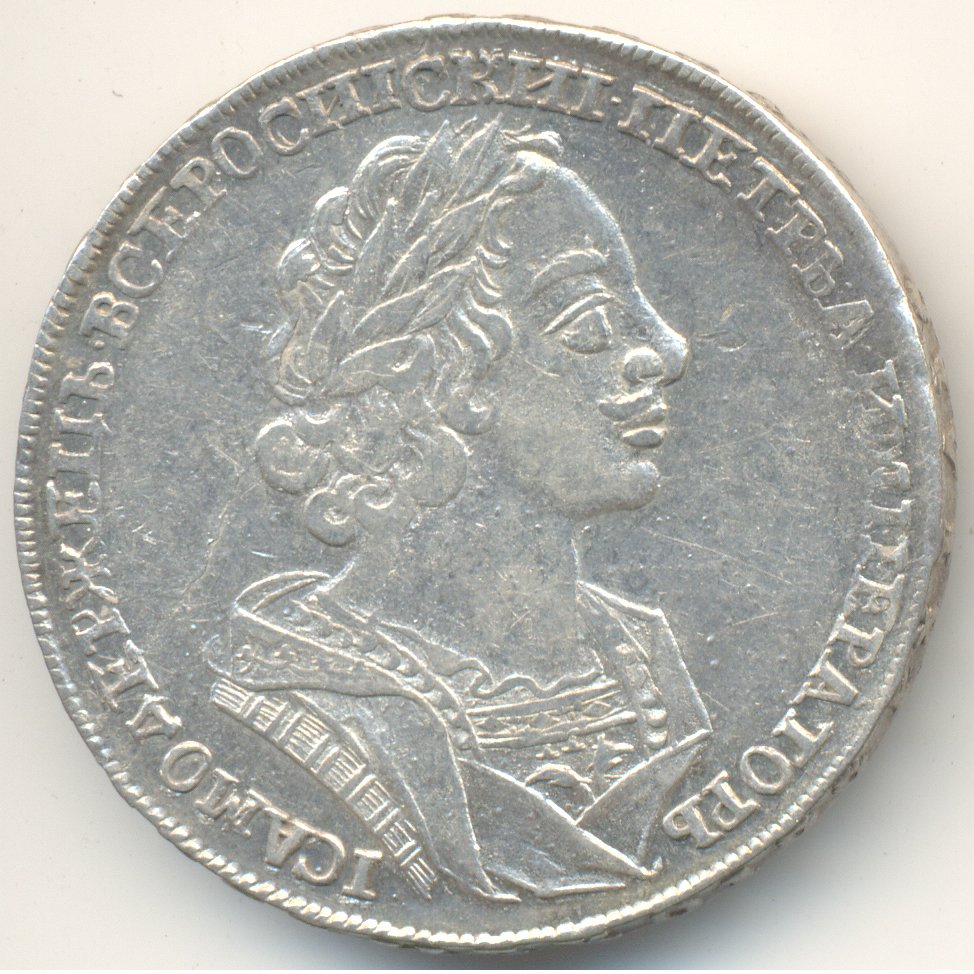
-
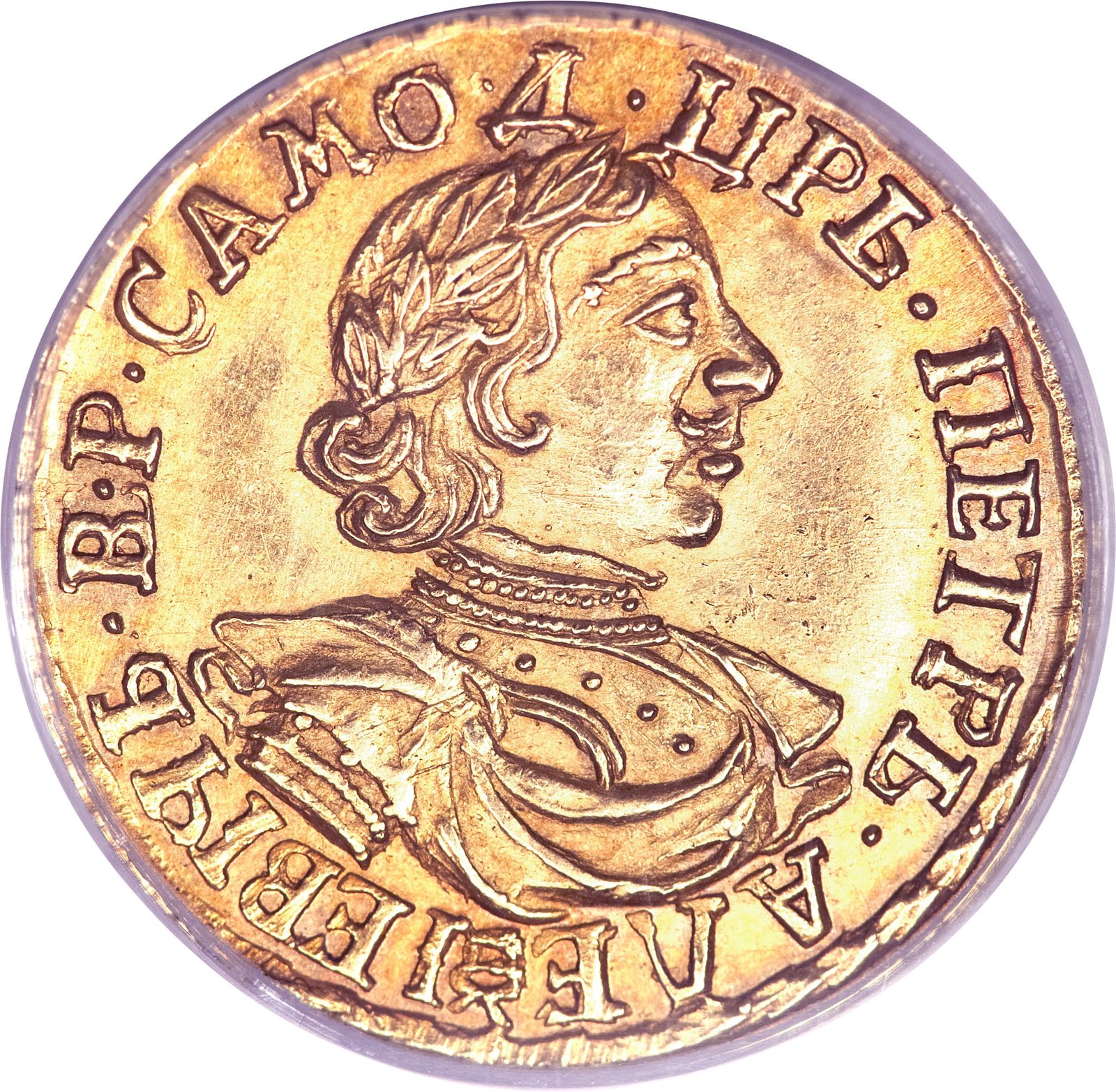
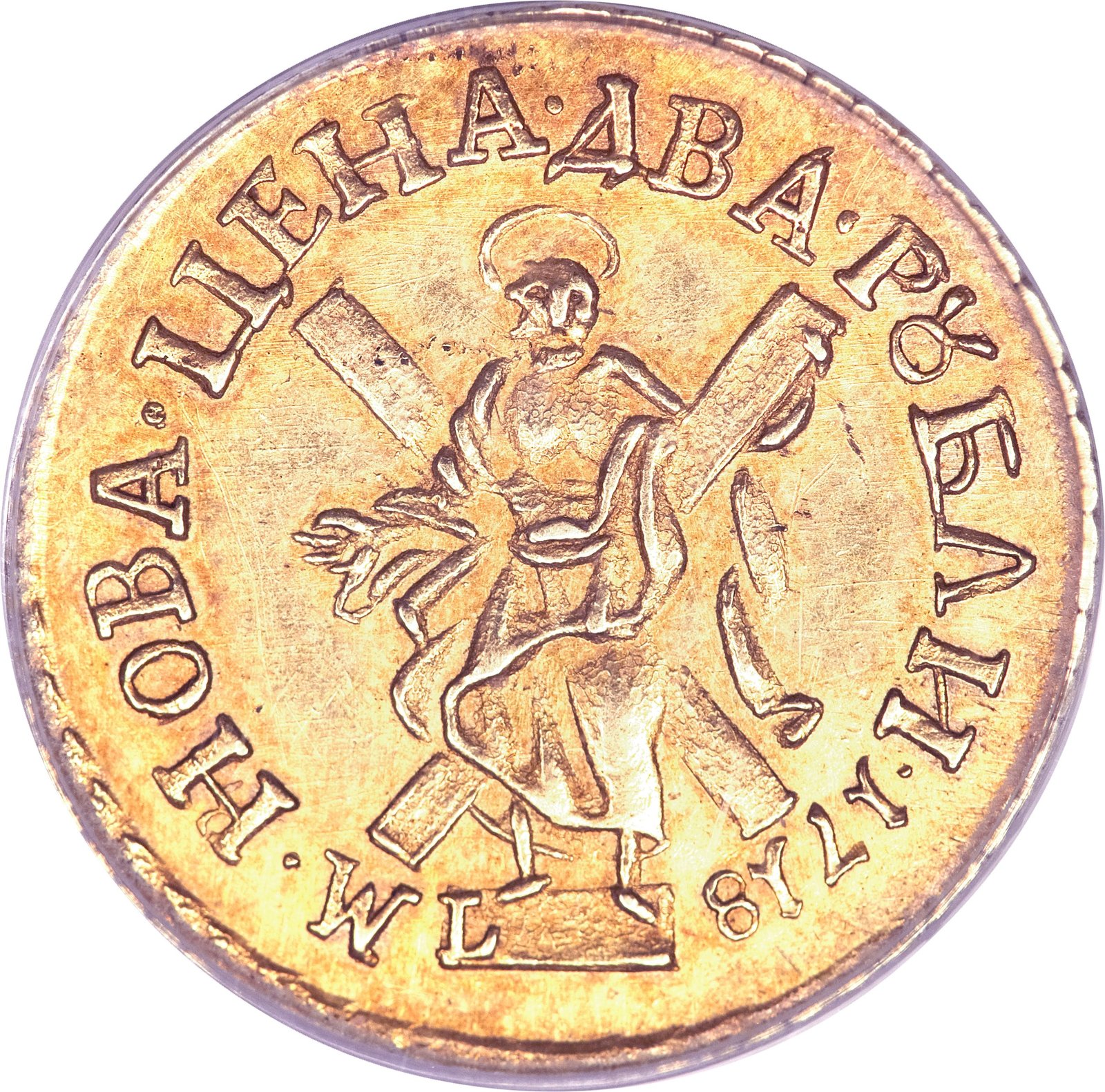
2 rubles (1718–1720)
KM# 158
-
2 rubles (1720–1721)
KM# 158
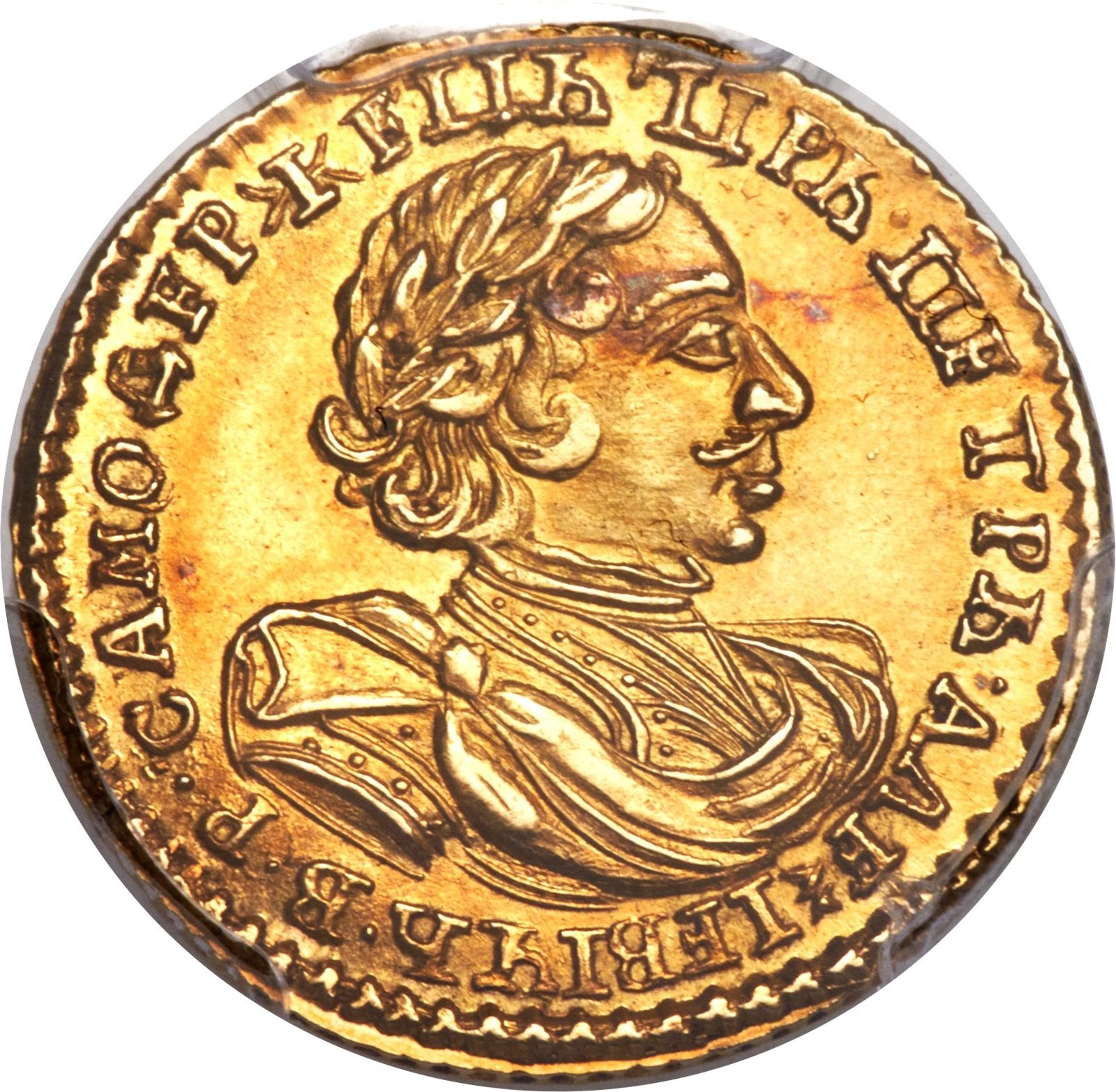
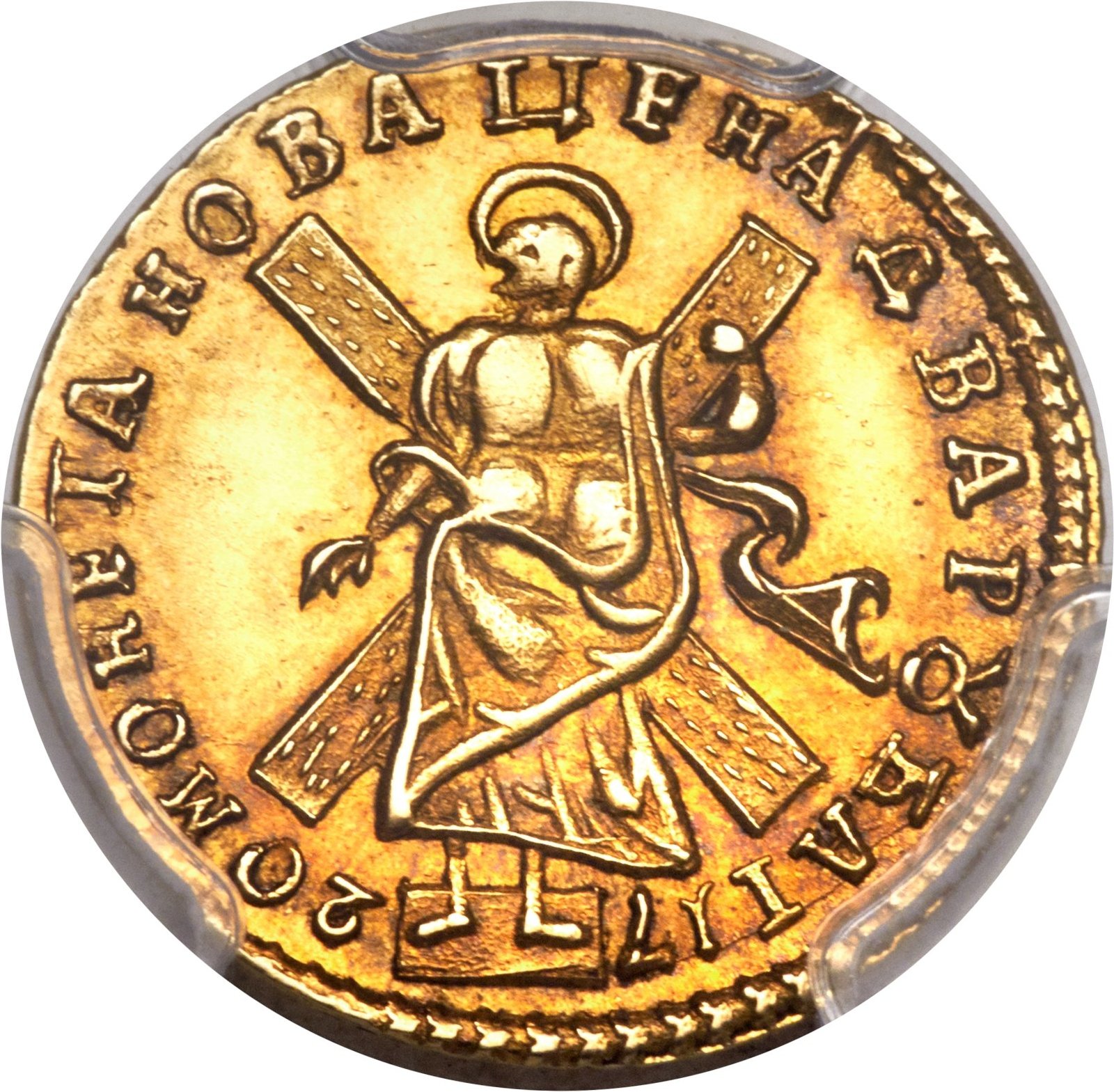
-
2 rubles (1721–1725)
KM# 158
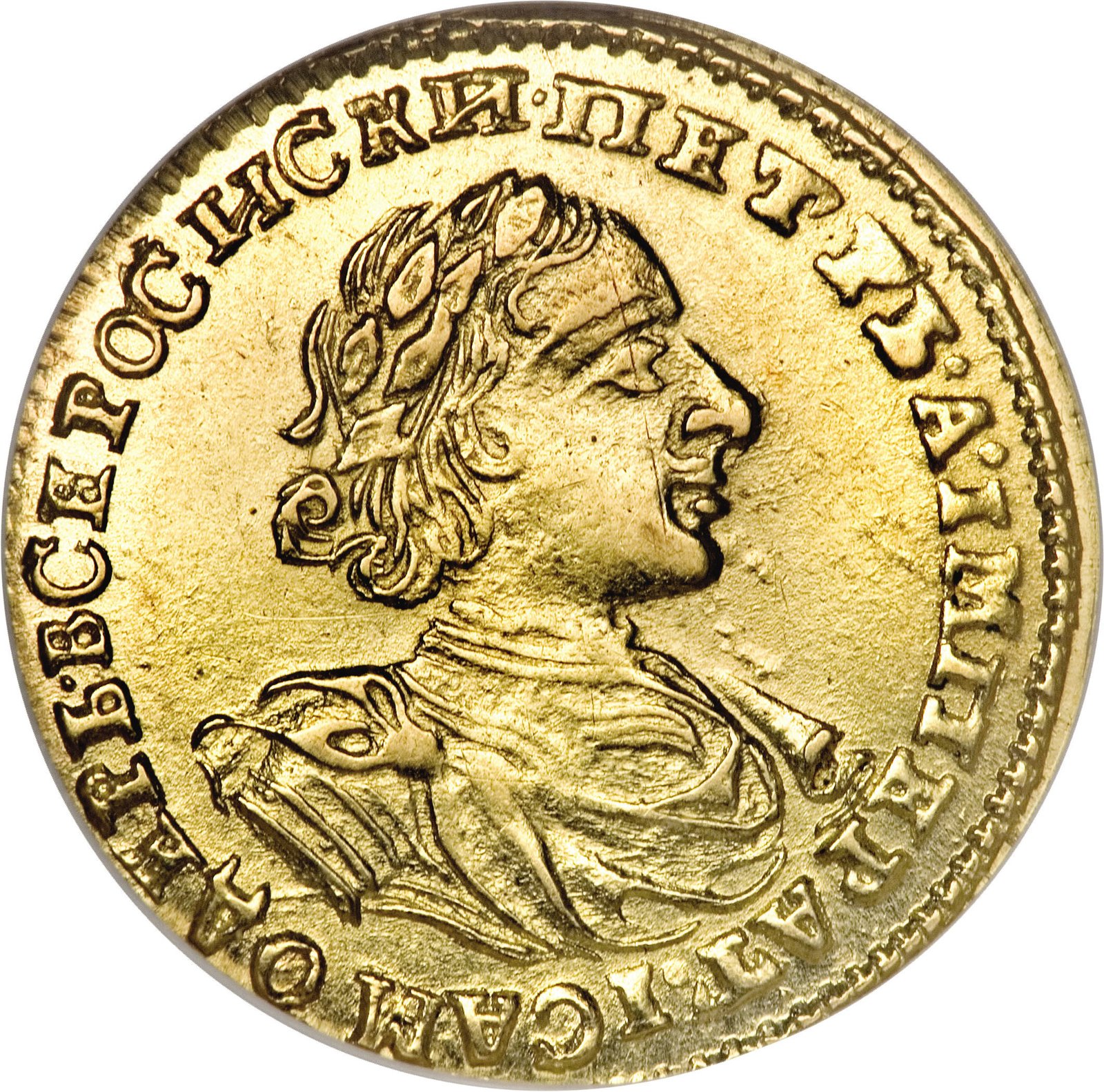
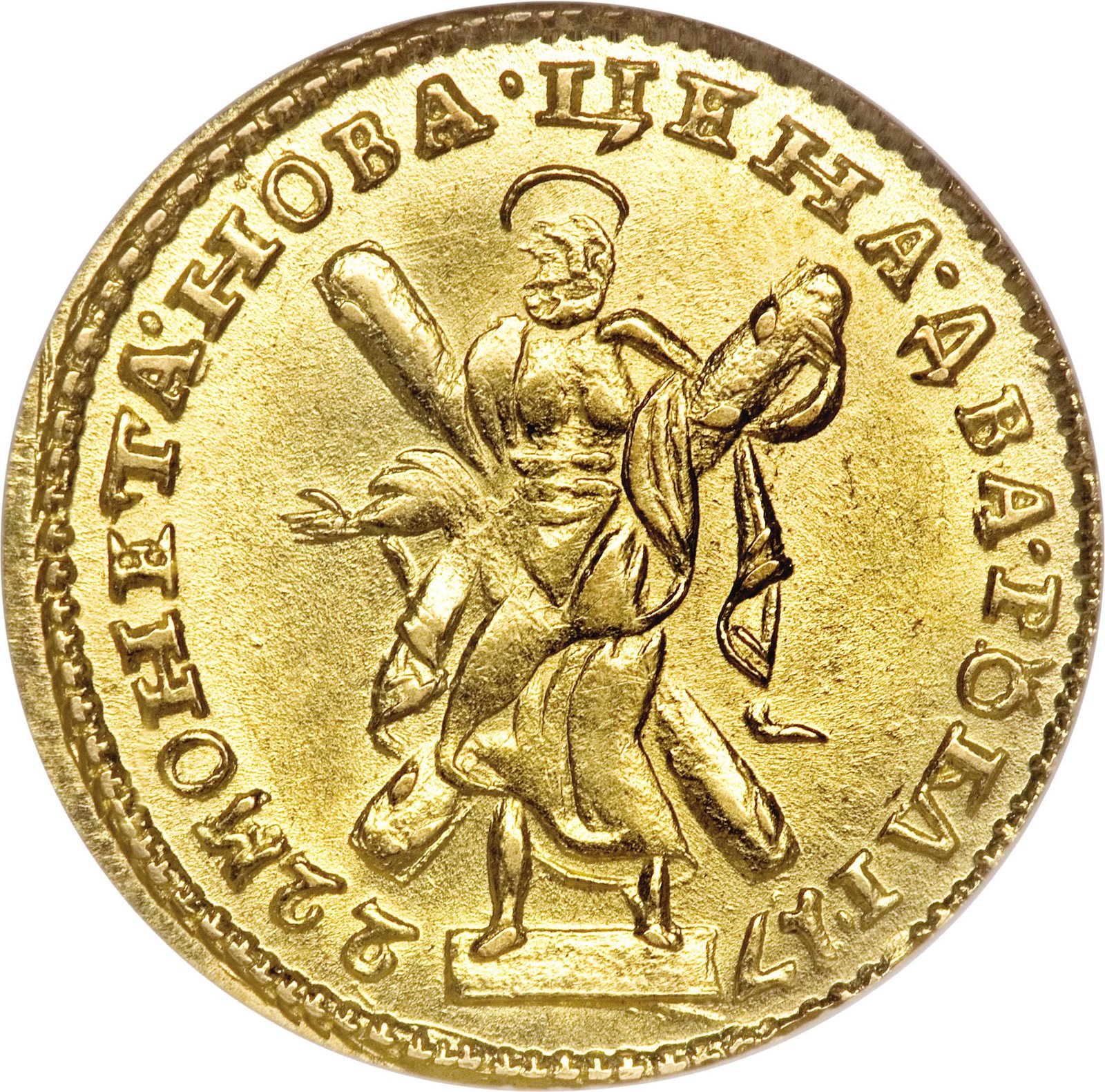
-
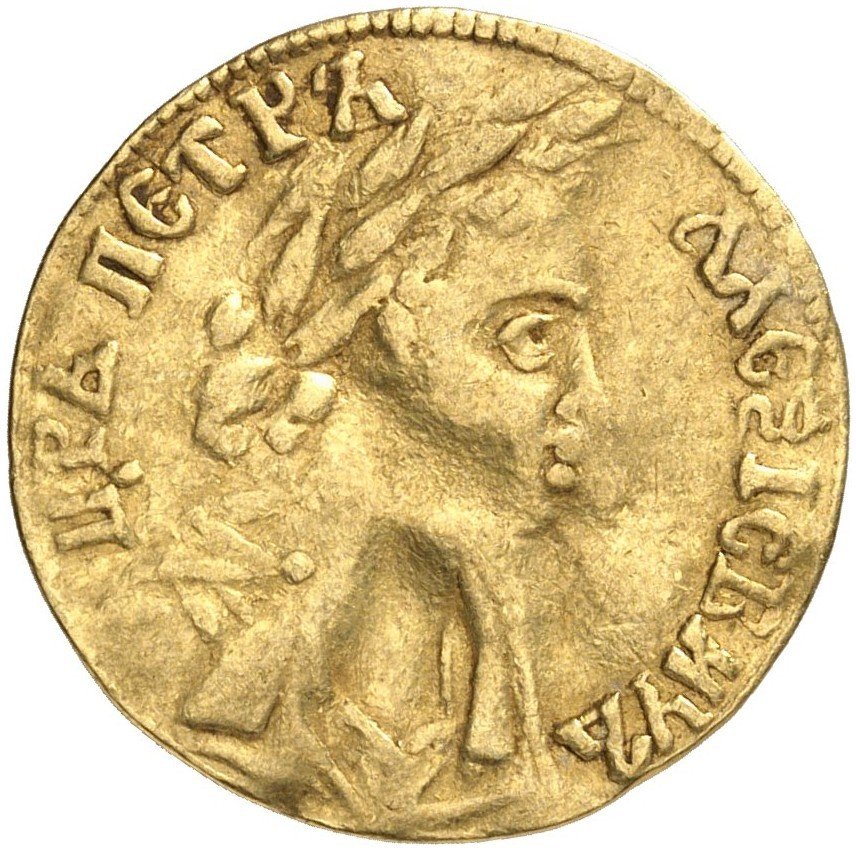
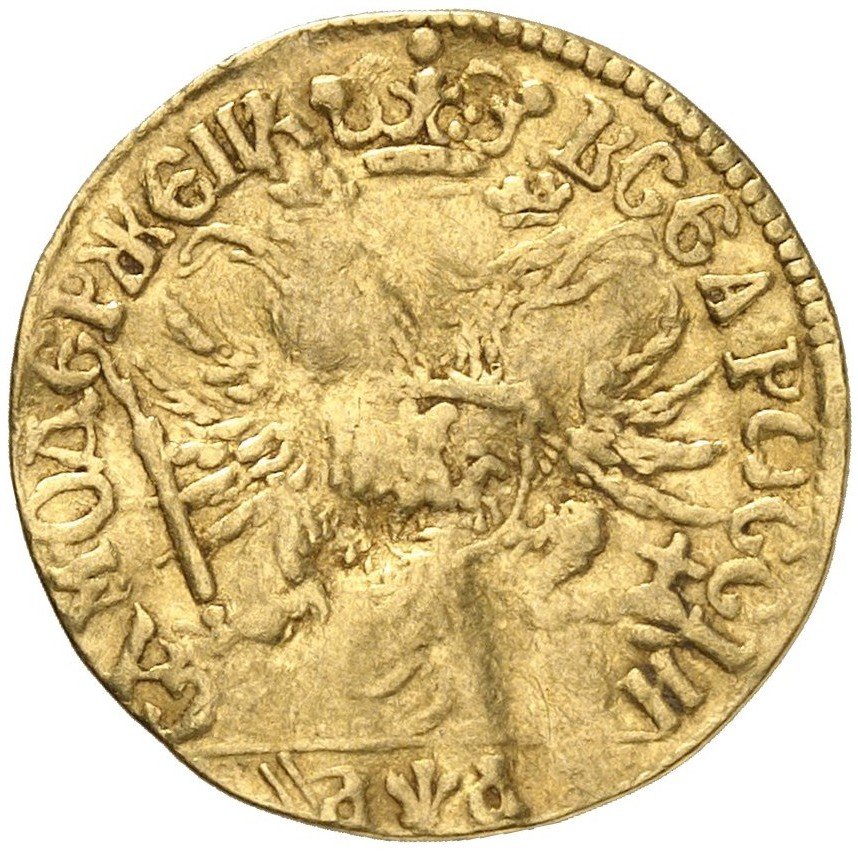
1 chervonets (1701–1705)
KM# 107
-
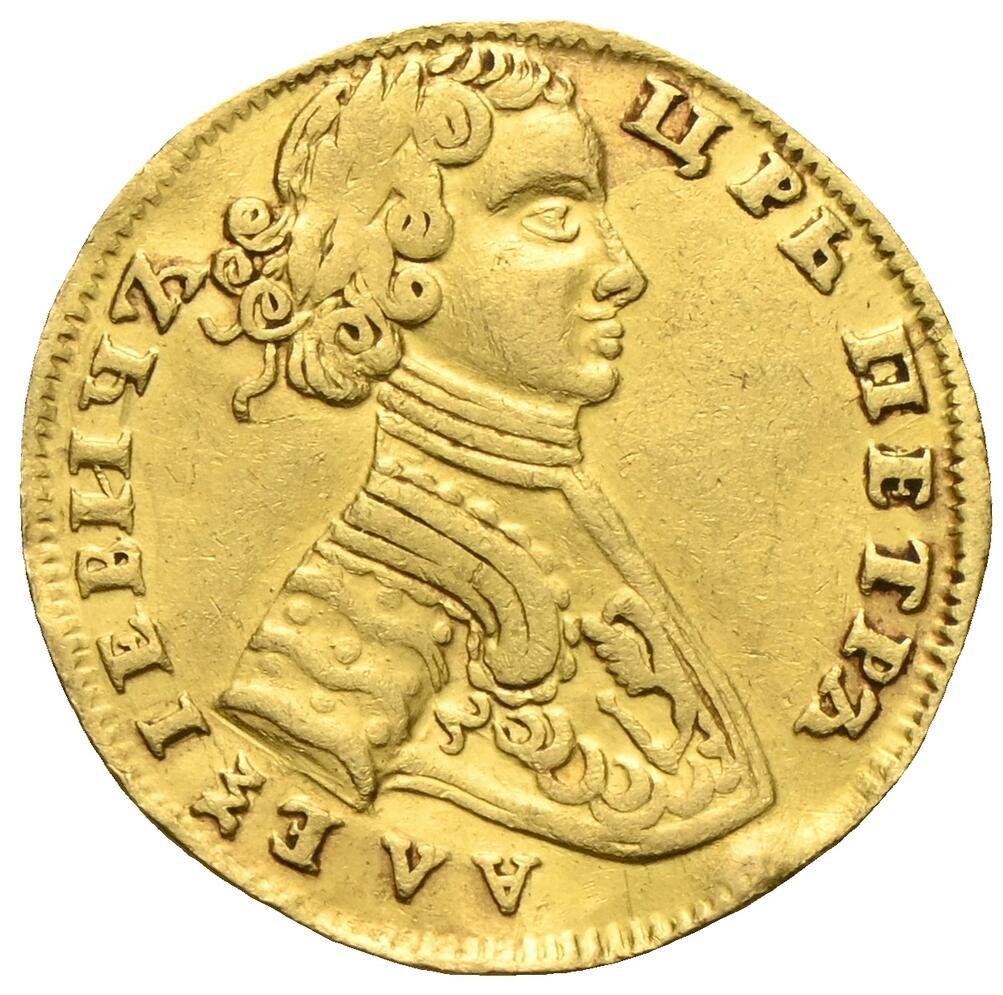
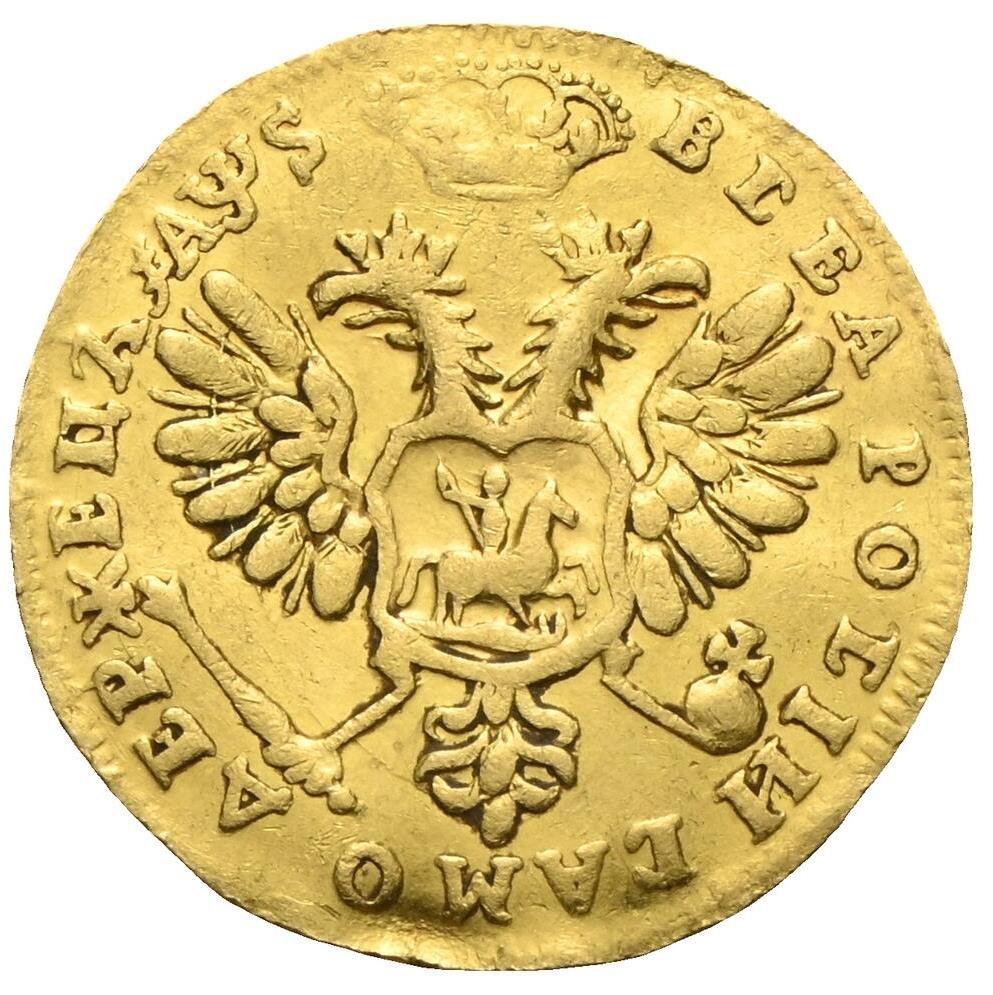
1 chervonets (1706–1710)
KM# 125
- 1 chervonets (1707) KM# 131
-
1 chervonets (1710–1711)
KM# 133
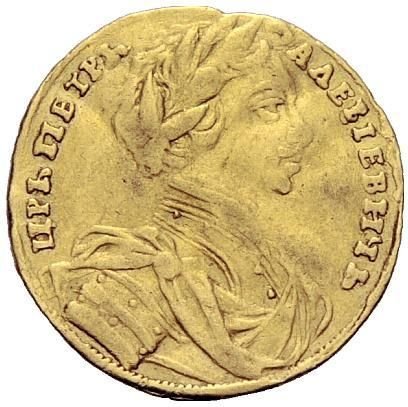
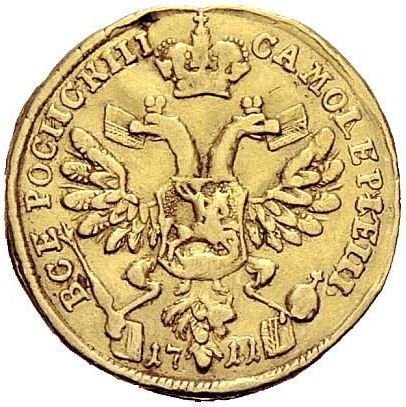
-
1 chervonets (1712)
KM# 139
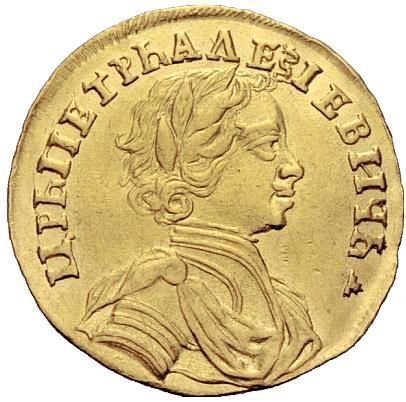
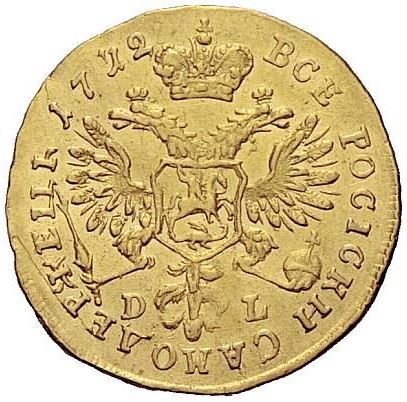
-
1 chervonets (1712–1714)
KM# 140
Report an error
Suggest an edit
Log in to suggest an edit. Log in