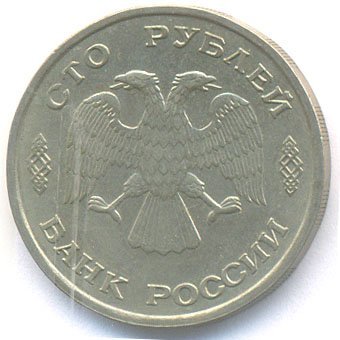
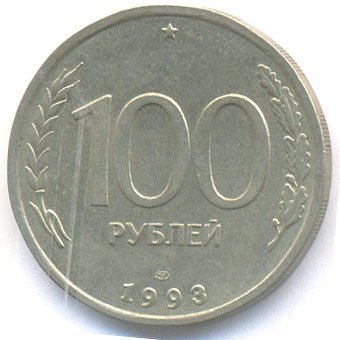
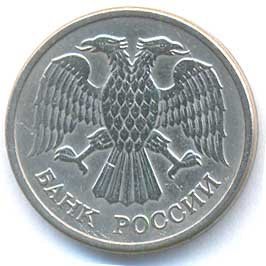
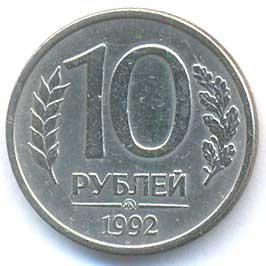
10 rubles — Russian Federation (1992–1993)
Y# 313
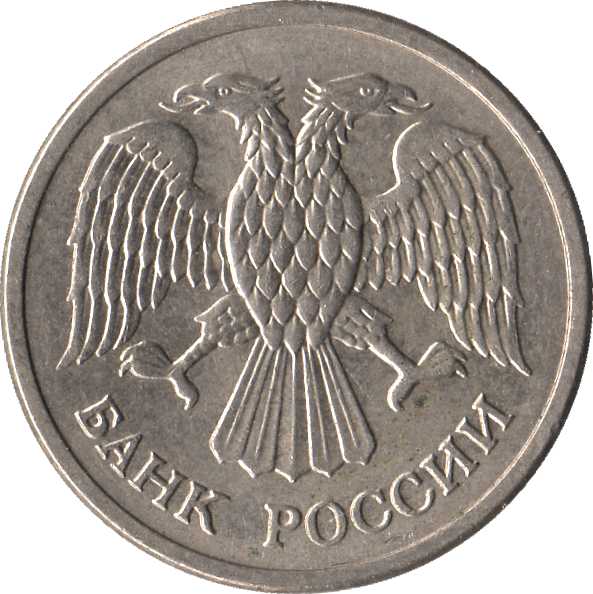
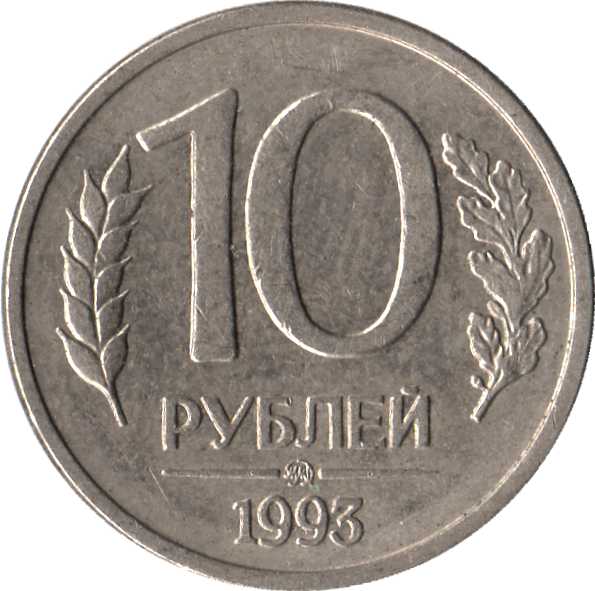
Photo: CC BY · Numista
Special facts
The first Bank of Russia 10 rubles of 1992 are made of copper-nickel alloy, weigh 3.75 grams, and a magnet does not attract them. The 1992 non-magnetic coins of both mints are common. In 1993 the magnetic steel version became the main one, and very few non-magnetic coins with that date were struck: the Moscow (ММД) coin is rare, and the Leningrad (ЛМД) one is among the most valuable coins of the 1990s. Checking a coin is easy — hold a magnet to it: a non-magnetic coin will not stick. After the 1998 redenomination the 1992-pattern coins were exchanged at a thousand old rubles for one new ruble.
About the period
The coins of the Bank of Russia of 1992–1996 were the first coins of the Russian Federation. They were issued in years of high inflation: denominations grew fast, and the metal got cheaper. More about the period “Bank of Russia”, 1992 — 1996
Coins and banknotes of these years: 1992, 1993
Specifications
- Period
- Bank of Russia
- Face value
- 10 rubles: all issues
- Currency
- 1 ruble = 100 kopecks
- Issue type
- Circulation
- Distinguishing feature
- Non-magnetic
- Metal
- Copper-nickel
- Diameter
- 21.1 mm
- Thickness
- 1.45 mm
- Weight
- 3.75 g
- Shape
- Round
- Edge
- Reeded
- Orientation
- Medal (↑↑)
Other items of the period
- 1 ruble
-
1992
Y# 311
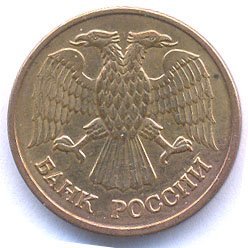
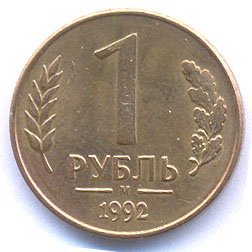
- 5 rubles
-
1992
Y# 312
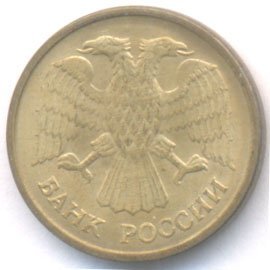
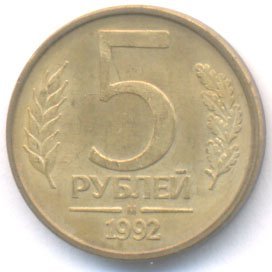
- 10 rubles
- 1992–1993 Non-magnetic Y# 313
-
1992–1993 Magnetic
Y# 313a
- 20 rubles
-
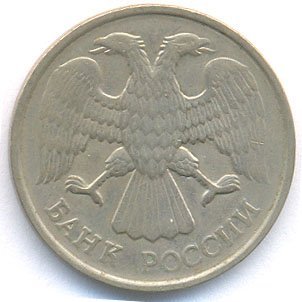
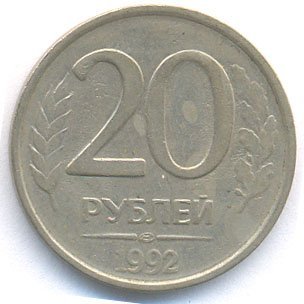
1992 Non-magnetic
Y# 314
-
1993
Y# 314a
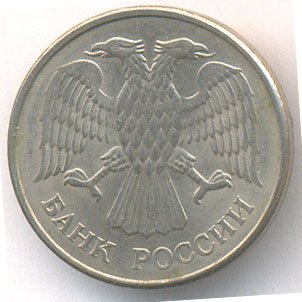
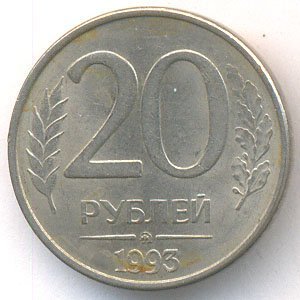
-
1993 Non-magnetic


- 50 rubles
-
1992–1993
Y# 315
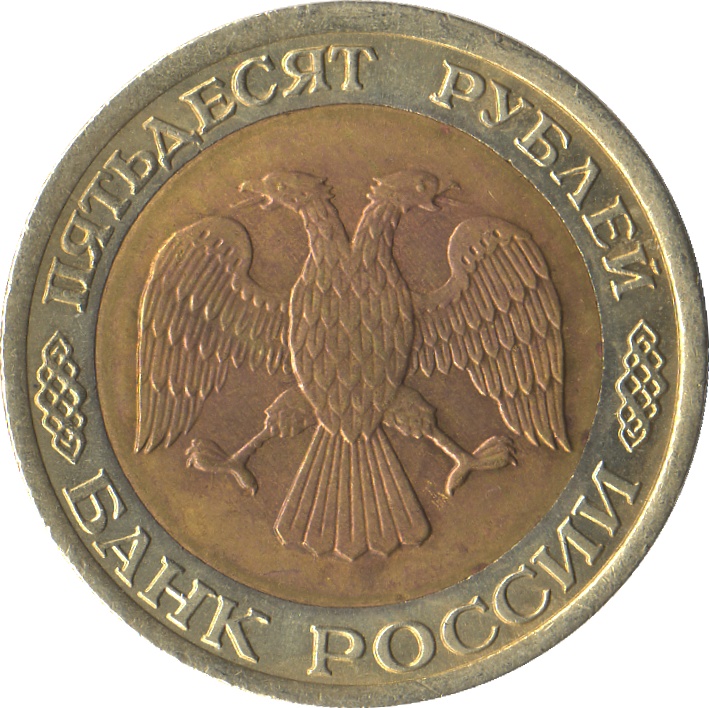
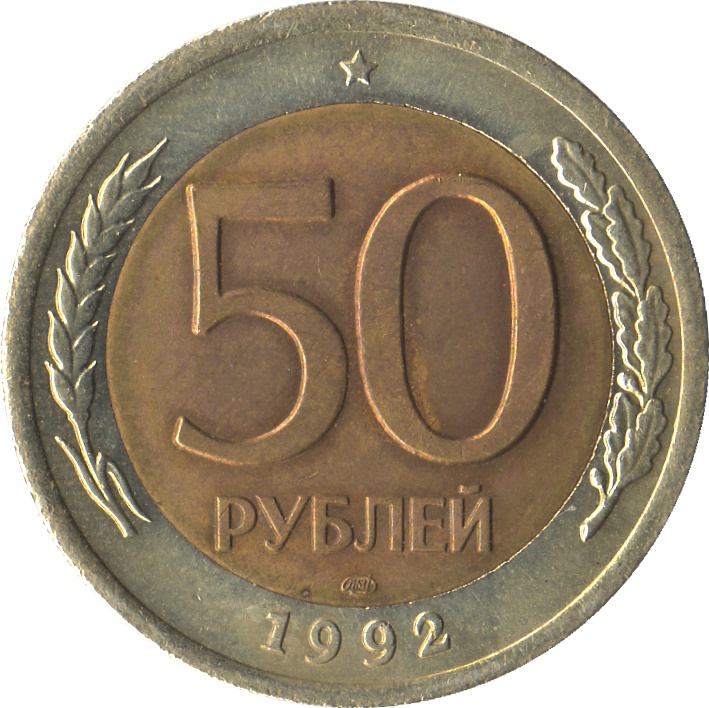
-
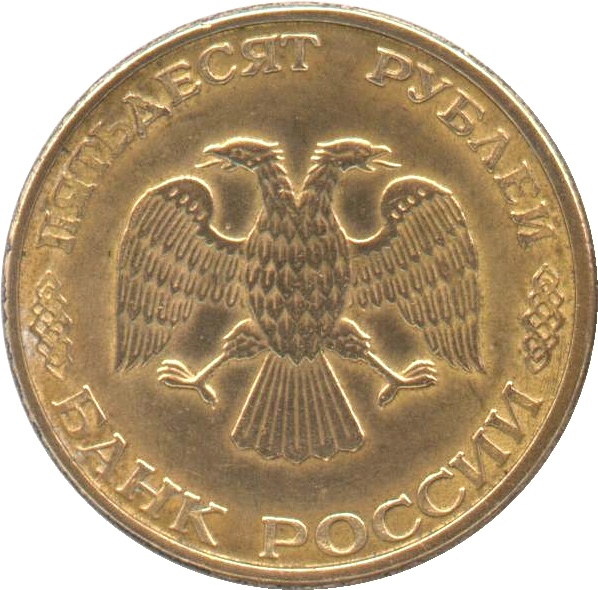
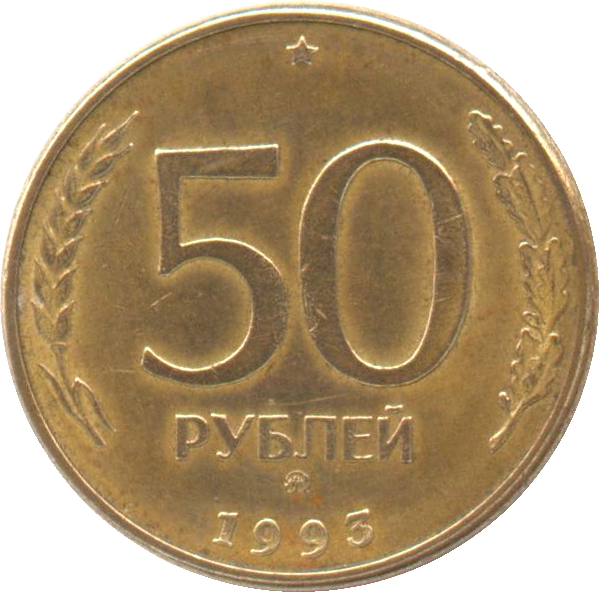
1993 Non-magnetic
Y# 329.1
-
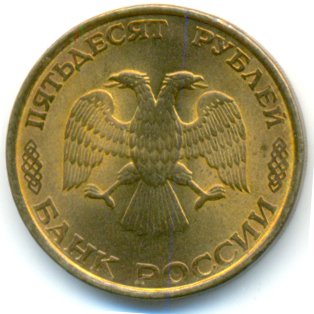
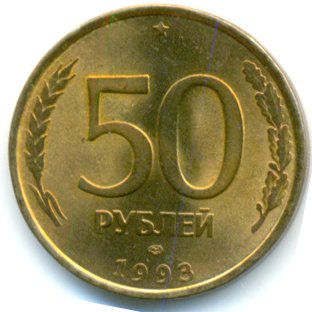
1993 Magnetic
Y# 329.2
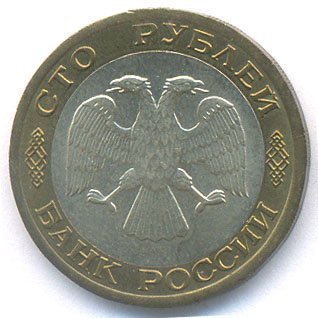
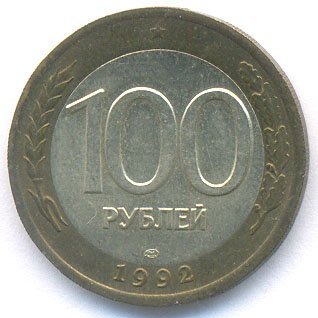
- 100 rubles
-
1992
Y# 316
-
1993
Y# 338